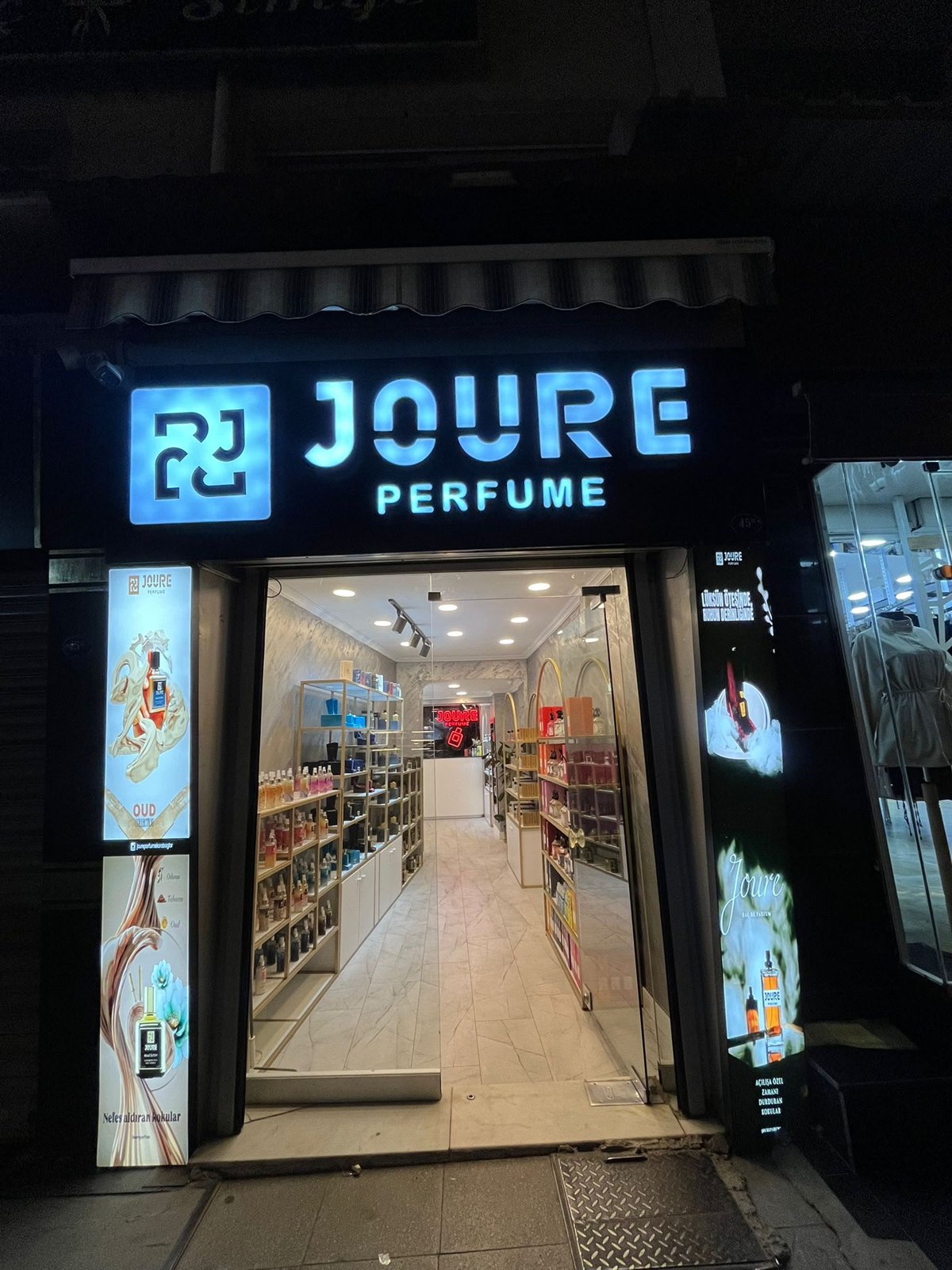
Entrepreneurs who want to start their own business in the perfume sector face two basic options: building an independent store and brand from scratch, or moving forward within an existing brand's dealership system.
Starting from scratch requires the entrepreneur to build many areas such as brand creation, product supply, store concept, packaging, pricing, marketing and customer trust. In the dealership model, the entrepreneur gains the opportunity to begin operating through an established business model and brand system.
However, becoming a brand's dealer is not a decision as simple as renting a store and hanging a sign. Let's examine step by step the stages an entrepreneur considering investing in the perfume sector in 2026 should evaluate, from the dealership application to the store opening.
What Is a Perfume Dealership?
A perfume dealership is when an entrepreneur sells products using a particular brand's products and commercial identity, within the conditions agreed between the parties. The scope of a dealership system can vary significantly from brand to brand. Some brands provide only product supply. Others offer a more comprehensive system extending to the store concept, signage, decoration, product placement, training, advertising support and operational standards.
For this reason, before taking on a dealership, the entrepreneur's first task is to understand which system the brand actually offers. To evaluate brands using the same criteria, you can use the comparison list in our article on perfume dealership companies.
1. Determine Your Investment Budget
Before starting your perfume dealership research, you need to determine your approximate investment capacity. This is because the investment does not consist only of the first product order. Among the basic items that may be encountered in a store investment are store decoration, product and opening stock, rent and deposit, signage, cash register/POS and technical infrastructure, license and company setup, staff, opening marketing and working capital.
The figure that really needs to be calculated is the total capital needed to open the store's doors and finance the business's first period. We covered the item-by-item calculation in our article on the cost of opening a perfume shop.
2. Research Brands That Offer Perfume Dealerships
Once you have determined your budget, you can begin comparing different brands. However, it is not correct to look only at brand awareness here. When evaluating a perfume dealership system, it is useful to examine the brand's length of operation, its number of active points of sale, its product range, whether the store concept is standardized, the regularity of product supply, its training and digital marketing support, territory protection, its pricing policy, and its contract term and renewal conditions.
A brand may have a very strong visual identity but an insufficiently developed operational system. For this reason, when choosing a brand, you need to look not only at the stores visible from outside but also at the back end of the system.
3. Understand the Dealership Model and Fees
Not every brand's revenue model is the same. In some systems, a licensing fee may be charged at the start. In others, there may be a royalty or a similar share on monthly revenue. Some brands, on the other hand, earn their income mainly from the sale of the products they supply to the dealer.
For this reason, in a dealership discussion you need to learn not only the initial investment but also the ongoing costs after the store opens. A model that appears to have a low initial investment cost can be more costly in the long run due to high monthly expenses. The decision should be made according to the total economic model.
4. Evaluate the Location Before the Dealership Application
In perfume retail, location is one of the critical issues. High pedestrian traffic alone does not mean a good location. The quality of pedestrian traffic in the area, the customer profile, store visibility, frontage width, nearby complementary retail businesses, competitors, and the balance between rent and potential sales volume should all be evaluated together.
Especially in the dealership model, obtaining location approval from the brand before renting the store can be important. This is a significant protection mechanism for the investor.
5. Be Sure to Ask About Territory Protection
One of the most critical clauses in dealership systems is territory protection. The same brand granting a second dealership a short distance away can affect the existing store's sales potential. For this reason, whether the dealer has a protected area, whether the protection is defined by district or by distance, whether online sales are outside the protection, and how shopping-mall and street stores are evaluated should be clarified before the contract.
Instead of a verbal statement of "we won't open another dealer here," having territory protection clearly defined in the contract is a safer approach.
6. Examine the Dealership Contract in Detail
One of the most important stages of the dealership decision is the contract. The contract should create a balanced structure that protects not only the brand but also the investor. Before signing, it is important to examine the contract term, renewal and termination conditions, territory protection, product supply terms, pricing policy, brand usage rules, store standards and the parties' responsibilities.
If a high-value investment is to be made, having the contract evaluated by an independent legal expert may be considered. To prepare in advance the questions to ask in the meeting, take a look at our article on the 10 questions to ask when taking on a dealership.
7. Examine the Product Range and Supply System
Product variety can play an important role in the commercial success of a perfume store. The brand's women's, men's and unisex scent options; fresh, floral, woody, gourmand and different scent families; and complementary categories such as home fragrance, cologne and body splash can broaden the store's customer base.
However, a high number of products is not an advantage on its own. A best-selling product being continuously suppliable and the stock system being set up correctly are at least as important as variety.
8. Calculate the Real Expenses as Well as the Profit Margin
In dealership presentations, the profit margin is naturally one of the topics that draws attention. But the difference between the product's purchase and sale price is not directly the business's net earnings. The store's rent, staff costs, electricity and other operating expenses, taxes, card commissions, advertising expenses and stock costs are covered from this difference.
For this reason, when evaluating a dealership you need to create the store's estimated monthly income-expense table and calculate the break-even point. You can find the calculation with examples in our article on whether a perfume dealership is profitable.
9. Examine the Support the Brand Provides to the Dealer
The value of a good dealership system is not only in providing products. Matters such as location assessment, store design, decoration standards, product placement, sales and product training, opening organization, digital advertising and stock/operational support are important especially for an investor entering retail for the first time.
In the dealership discussion, instead of the phrase "we provide support," clearly ask which support is provided, at which stage and to what extent.
10. Examine the Existing Dealers
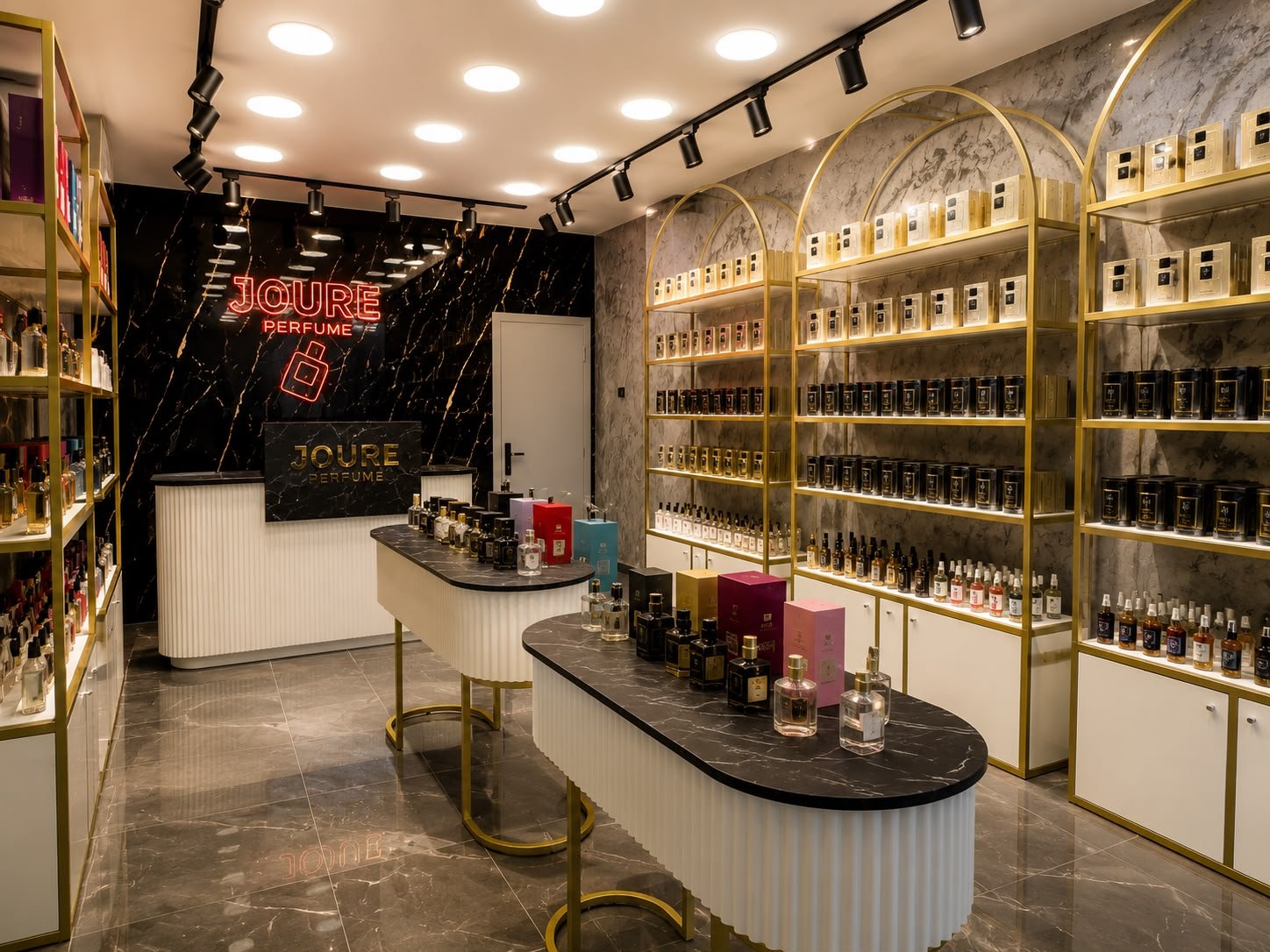
One of the strongest ways to evaluate a dealership system is to see the existing stores. If possible, visit stores in several different locations; observe whether the concept is consistent, the product arrangement, the store density and the staff's product knowledge. You can examine the Joure store network on the Stores page. The system described by the head office and the actual application in the field supporting each other is one of the important indicators of a healthy dealership structure.
How Is a Perfume Dealership Application Made?
Although the process varies from brand to brand, in general it may consist of the following stages:
- Preliminary application: The candidate entrepreneur shares their contact and investment information.
- First meeting: The brand evaluates the investor's expectations and the region they have in mind.
- Location assessment: The existing or planned store location is examined.
- Financial assessment: The total investment and working capital are discussed.
- Contract: The parties' commercial and legal terms are determined.
- Design and decoration: The store is prepared according to the brand's concept standards.
- Products and training: The opening stock is created and the necessary training is completed.
- Opening: Store operations and local marketing activities begin.
How Do You Get a Joure Perfume Dealership?
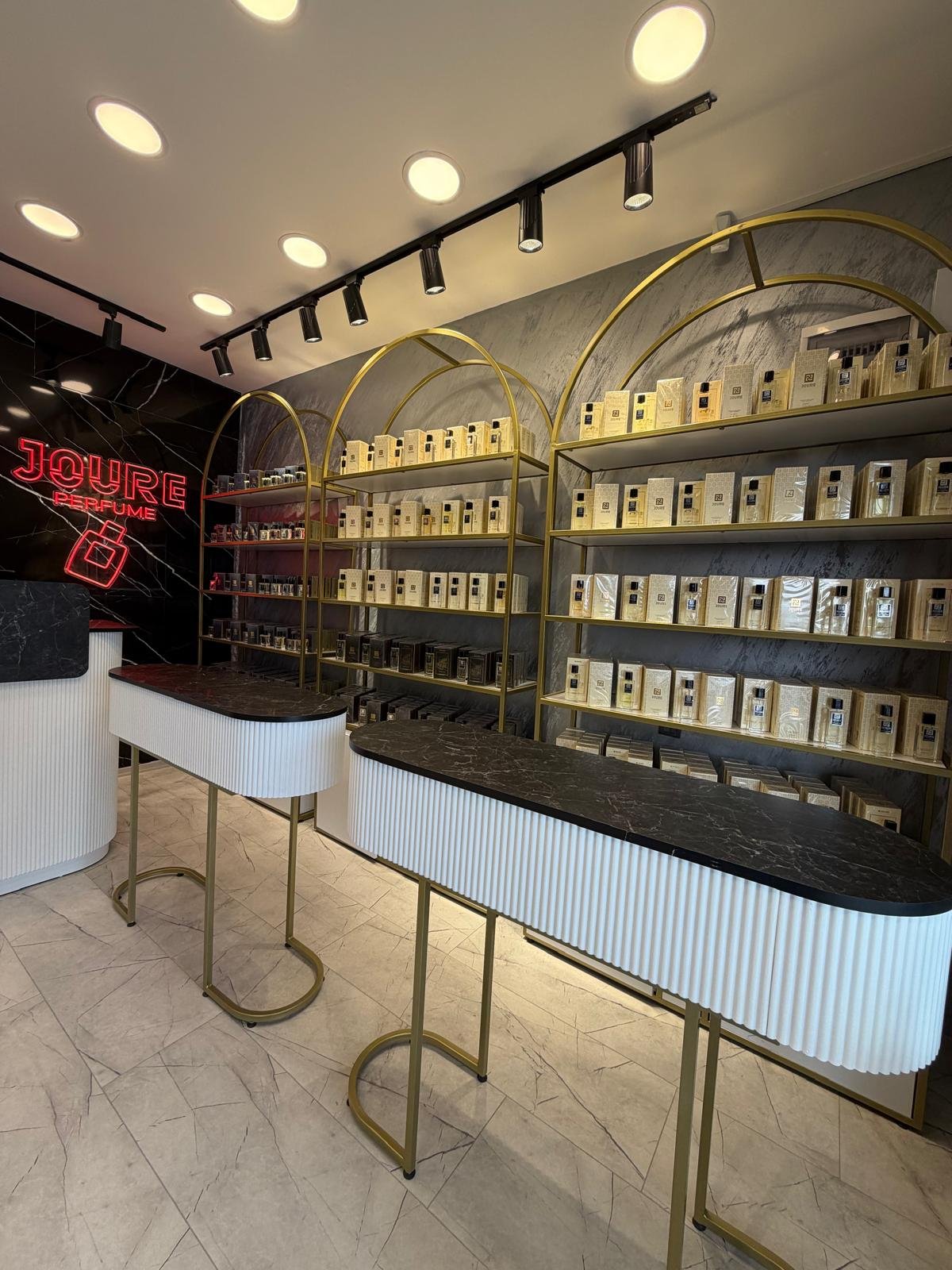
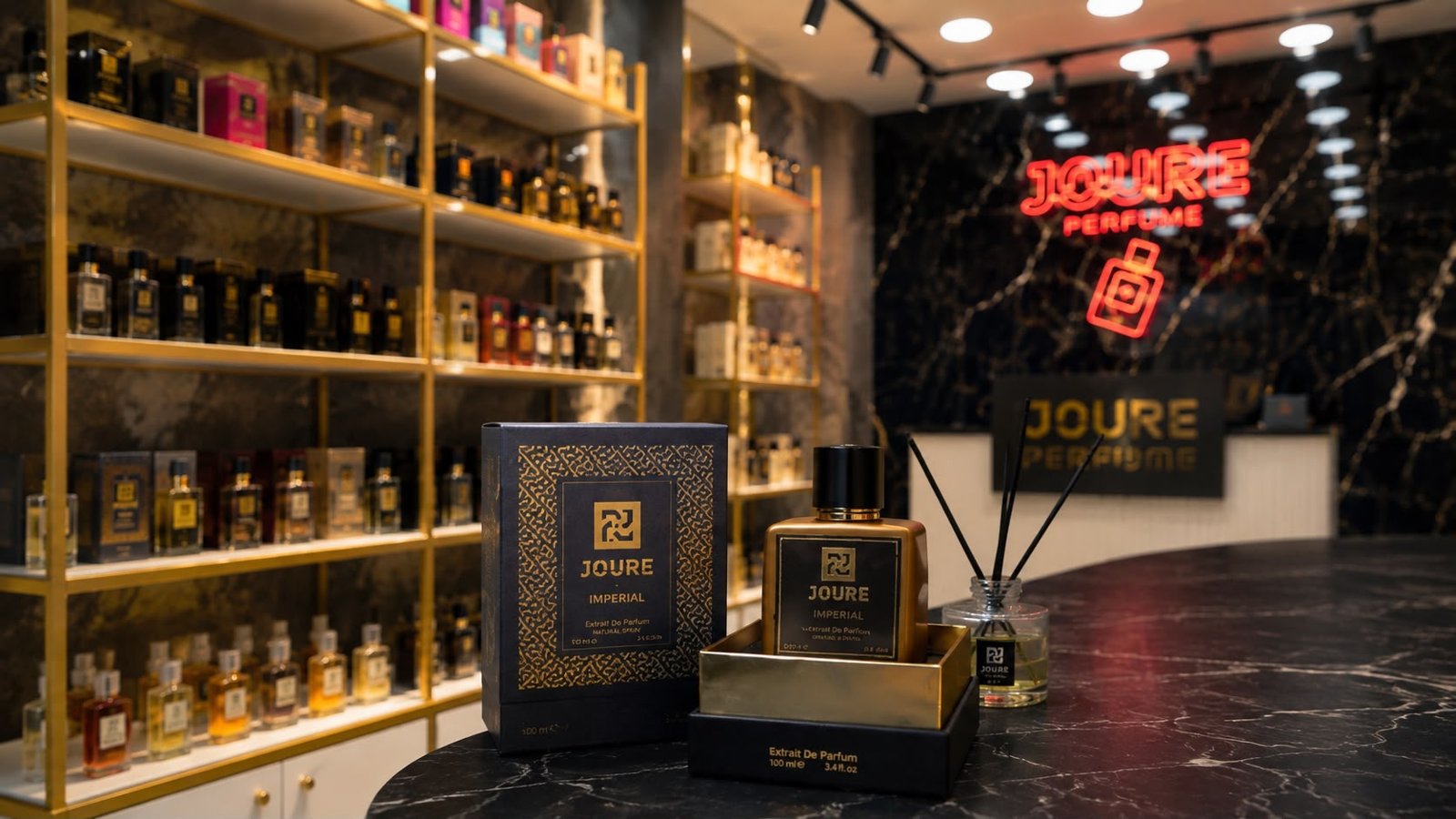
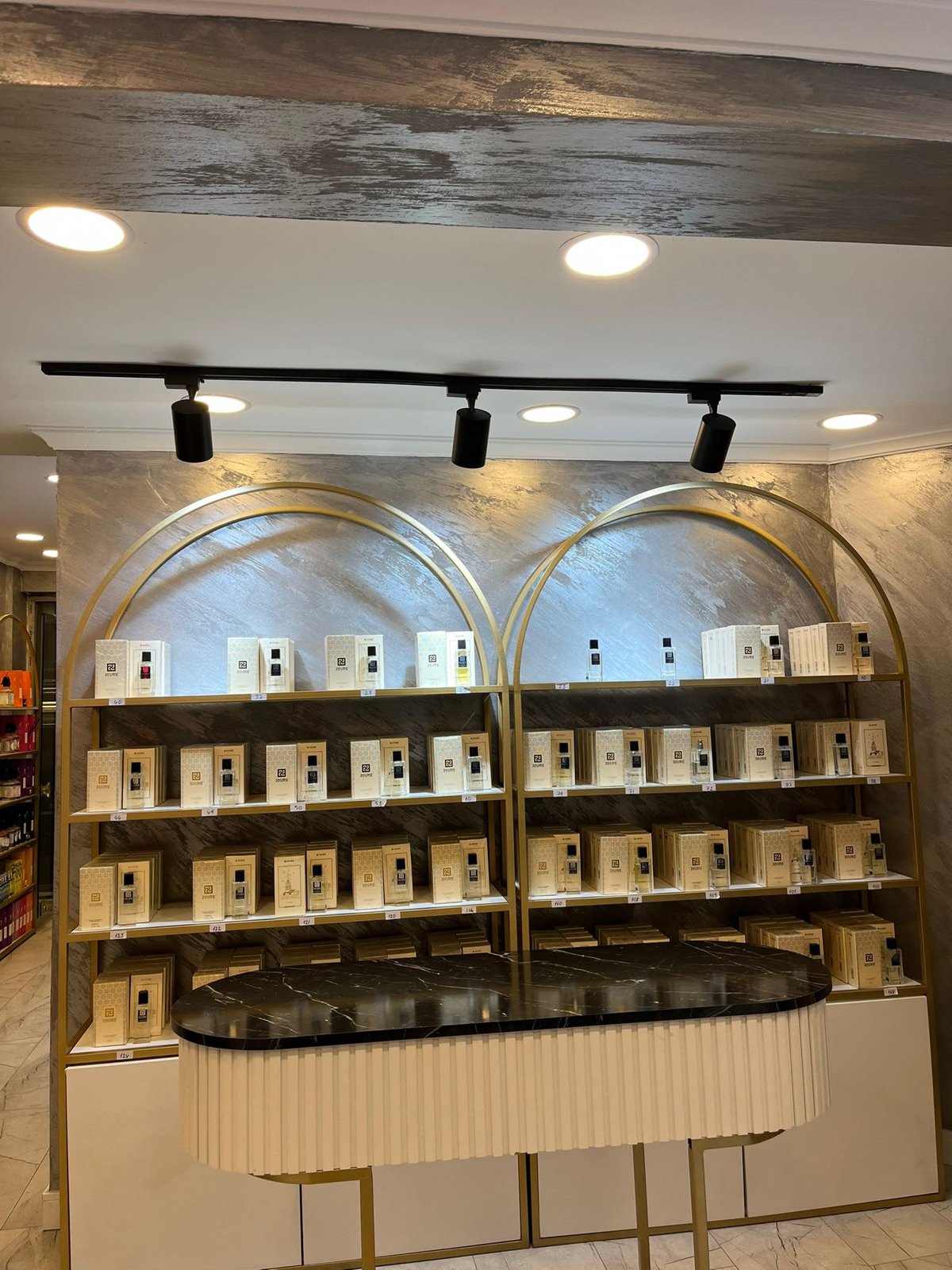
Entrepreneurs who want to invest in the perfume sector can also consider Joure Perfume's dealership model among the alternatives. In Joure's dealership approach, the aim is not only product supply but also carrying out the brand identity, store concept and operation under certain standards. The city and location the dealership candidate has in mind are evaluated; the investment process is planned according to suitability.
We explained step by step how the system works in our articles on the Joure Perfume dealership system and the application process and store concept. Entrepreneurs who want to examine the current investment conditions can submit an application through the Dealership page.
A dealership is not a "guaranteed earnings" model. Success depends as much on the right location, operational discipline, customer experience and local market conditions as it does on the brand system.
Frequently Asked Questions
How do you get a perfume dealership?
First, brands that offer dealerships are researched and the investment budget is determined. Then the application and meeting process with the brand is carried out; location, investment terms and the contract are evaluated. After the agreement, store setup, product supply and the opening process begin.
How much capital is needed to take on a perfume dealership?
There is no single figure. The total investment can vary according to store size, city, rent, decoration, stock, brand model and working capital. Not only the dealership fee but the total opening cost should be calculated.
Is a perfume dealership profitable?
Profitability depends on the product margin, sales volume, rent, staff, location, stock management and other operating expenses. There is no guaranteed profitability rate for any dealership or store.
Is territory protection important in a perfume dealership?
Yes. The same brand opening new stores in nearby areas can affect the existing store's sales area. The scope of territory protection should be clarified before the contract.
What should be considered when taking on a perfume dealership?
The brand's history, product range, store concept, supply system, profit model, ongoing fees, territory protection, the contract and head-office support should be evaluated together.
How do you get a Joure Perfume dealership?
Investors who want to learn Joure Perfume's current dealership conditions can start the application process by sharing their contact information and the investment region they have in mind through the application form on the brand's Dealership page.