When you decide to open a perfume store, the topics that first come to mind are usually products, decoration and location. However, for a store to become ready to open, many more steps than these need to be completed. Company setup, the correct activity code, the lease agreement, municipal license procedures, store infrastructure, product supply, the POS system, staff and the pre-opening operational plan are the basic parts of this process.
Let's handle the process step by step, from the start to the opening day, for an entrepreneur planning to open a perfume store in Turkey in 2026.
1. First Determine Your Business Model
Your first decision is whether it will be an independent store or a dealership system. In an independent store, you build the brand name, product supply, concept, packaging, pricing, marketing and operational system yourself. In the dealership model, on the other hand, you can benefit from an existing brand's product, store concept and operational system. We covered the difference between the two models in our article on entering the perfume sector.
2. Establish the Company Structure
An appropriate company or business structure must be set up for commercial activity. Depending on the scale of activity, entrepreneurs can consider one of the structures such as a sole proprietorship or a capital company. The ownership structure, expected revenue, investment plan, tax structure and the goal of opening new stores in the future can affect the choice. At this stage, working with an accountant is the healthiest approach.
3. Determine the Correct Field of Activity and NACE Code
The retail sale of perfume, cosmetics and personal care products falls within the retail trade group. If cologne, home fragrance or different product groups will also be sold in the store, the scope of activity needs to be determined accordingly. Instead of copying the NACE code from the internet, it is more correct to determine it with your accountant according to your actual scope of activity; an incorrect activity definition can cause problems in licensing or administrative processes later on.
4. Determine the Location
The right location does not simply mean a crowded street. Pedestrian traffic and its quality, store visibility, frontage width, nearby complementary businesses, competitors, transport, and the balance between rent and potential sales volume should be evaluated. Especially in the dealership model, obtaining location approval from the brand before renting the store can be important.
5. Don't Sign the Lease in a Hurry
Before the lease agreement, research the suitability of the premises for the activity you plan. You need to learn from the relevant municipality whether there is anything preventing licensing, the renovation and signage permits, the electrical infrastructure, the storage area and, if it is a shopping mall, the management rules and maintenance fees. A store that looks good turning out to be problematic in technical or licensing terms can cause a loss of time and money.
6. Plan the Workplace Opening and Operating License Process
For physical retail stores to begin operating, there are licensing processes of the municipality and relevant administrative units. The requested documents may vary according to the type of activity, the municipality and the characteristics of the building; company/tax information, lease/ownership documents, address and building information, physical suitability, and fire and safety conditions may come into play. Up-to-date information should be obtained directly from the relevant municipality, not according to old document lists.
7. Prepare the Store Concept and Architectural Design
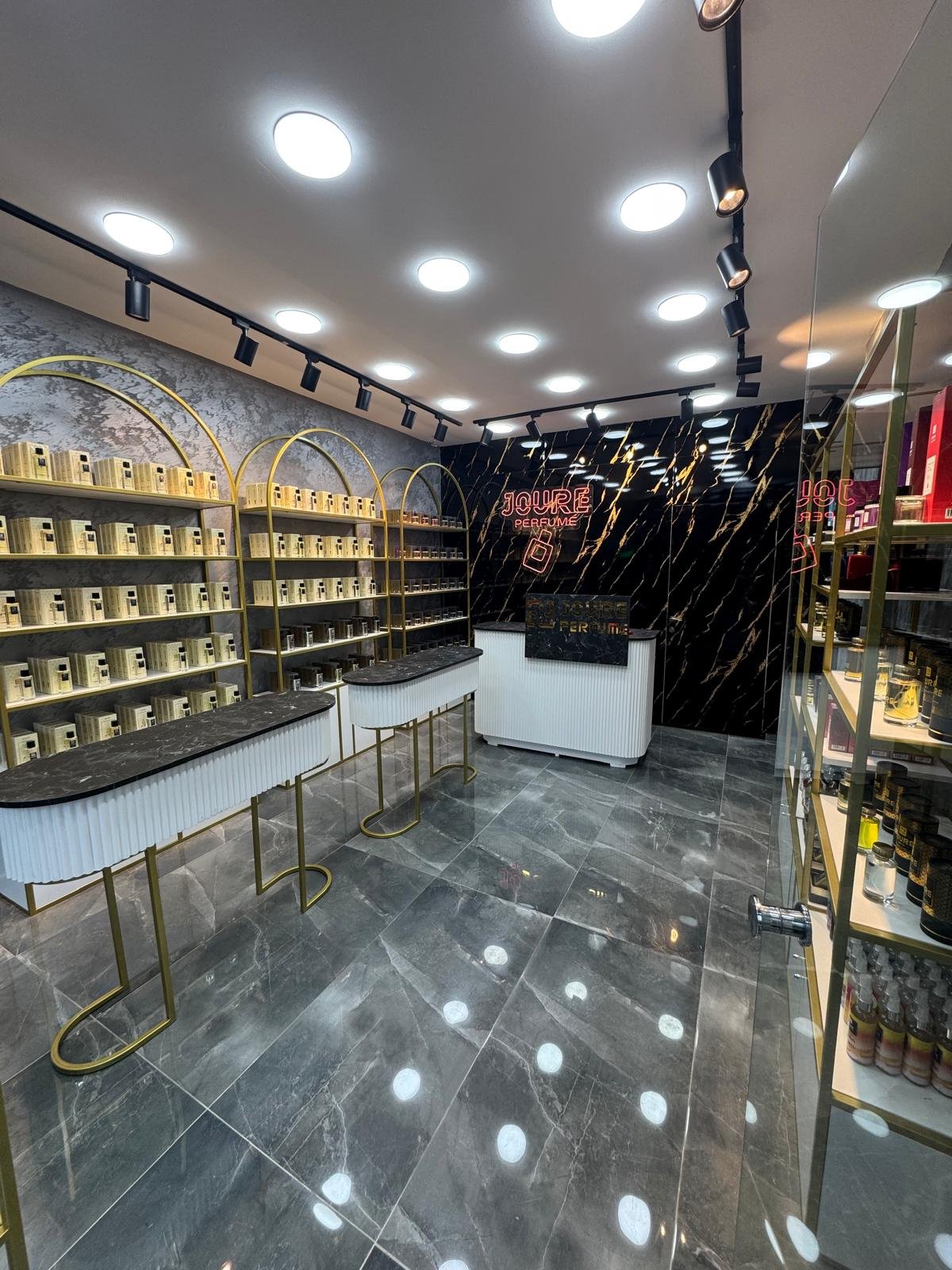
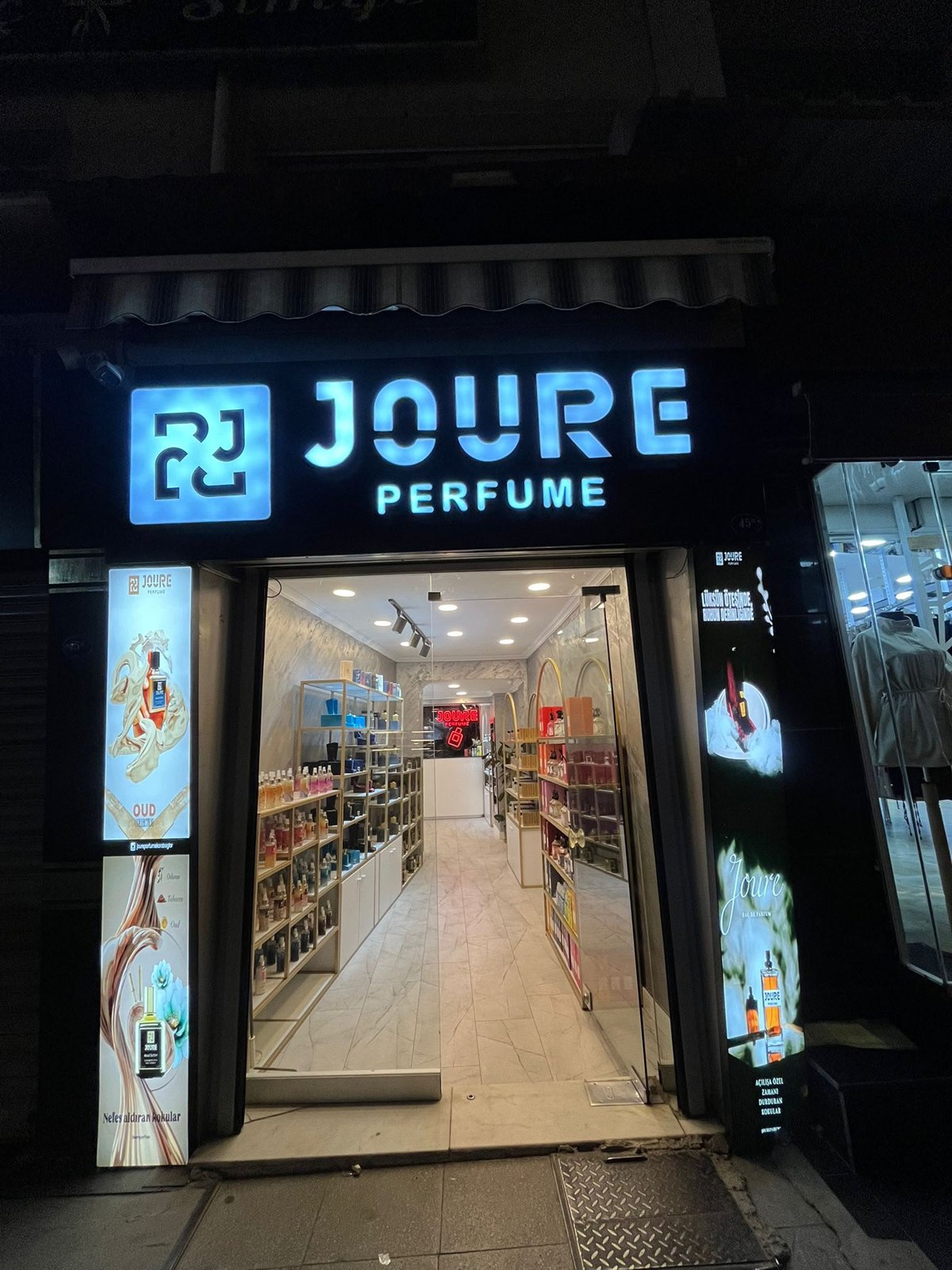
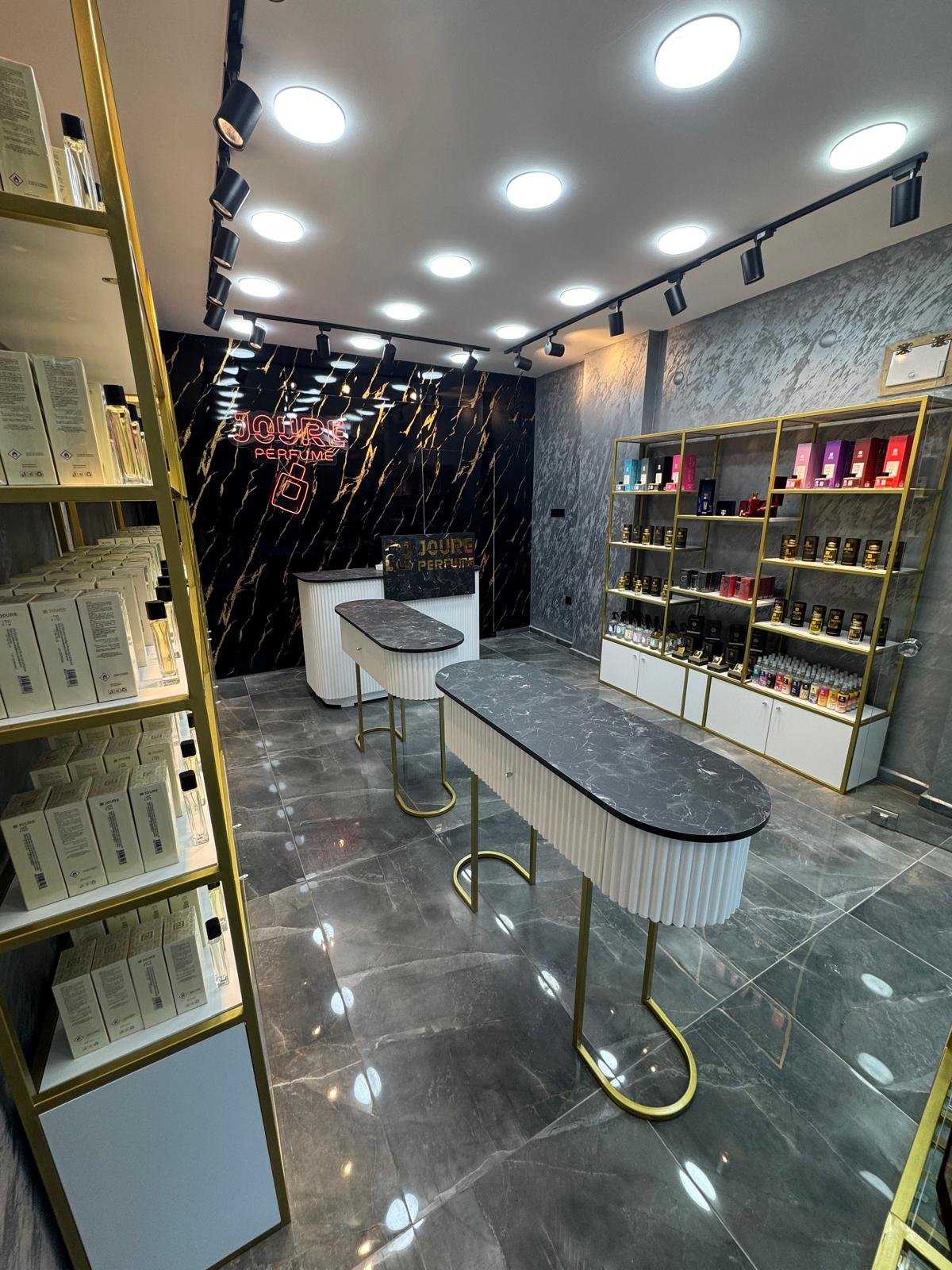
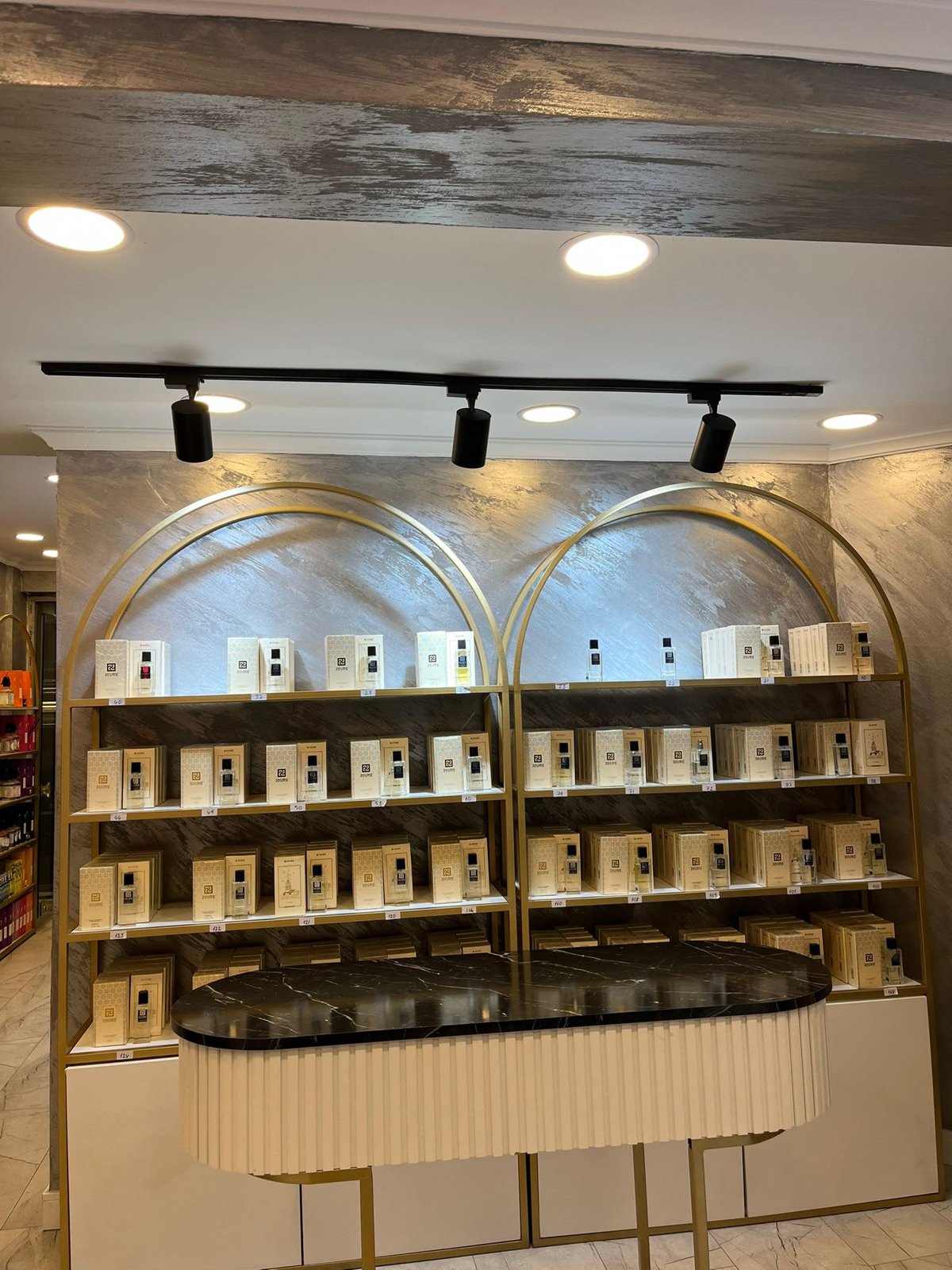
A perfume store is not a sales area consisting only of shelves. The customer needs to be able to comfortably try the product and compare different scents. Product display shelves, tester areas, the cash desk, storage, lighting, the display window, brand visuals and customer circulation areas should be planned. Shelves being cleanable, products being quickly replenishable and the storage area being functional are important for daily operations.
8. Check the Electricity, Lighting and Technical Infrastructure
Before opening, the electrical capacity, socket points, internet, camera infrastructure, alarm, air conditioning, and POS and cash register connections should be checked. Since running new cables after the decoration is complete can create extra cost, it is important to determine the technical needs at the design stage.
9. Plan Product Supply and the Initial Stock
Buying the highest amount of products to fill the store is not correct stock management. The initial stock should be broad enough to meet customer demand but controlled enough not to leave capital sitting on the shelf. Women's, men's, unisex and different scent profiles should be distributed in a balanced way; categories such as home fragrance, cologne and body splash should be planned separately. In a dealership system, the opening stock can often be created using the brand's past sales data.
10. Check That the Products You Will Sell Comply With Regulations
In Turkey, cosmetic products are within the regulatory and inspection area of the Turkish Medicines and Medical Devices Agency. As a retailer, it is important to work with a reliable and compliant product supply chain; products should come through legal channels, have appropriate packaging and label information, and be traceable. One of the advantages of the dealership system is that product supply is carried out through a central structure.
11. Set Up the Tester System
What distinguishes a perfume store from many retail categories is that the customer wants to experience the product before buying it. Before opening, it should be determined which products will have testers, where the testers will be displayed, how test strips will be provided and how empty testers will be replenished. A disorganized or incomplete tester system negatively affects the customer experience.
12. Prepare the POS and Cash Register System
Before the store opens, the POS device, cash register, barcode system, stock software, receipt/invoice system and product codes should be prepared. In particular, the stock system and the sales system working in harmony is important; being able to see how much of which product has been sold is valuable for purchasing and stock replenishment.
13. Don't Leave Staff Selection to the Last Week
In a perfume store, the sales advisor is at the center of the customer experience. The customer often comes with requests such as "something fresh but long-lasting" or "vanilla but not too sweet." The staff need to be able to correctly understand these needs and guide the customer to suitable products. For this reason, staff should learn not only how to use the cash register but also scent families, the product portfolio, tester use and cross-selling methods. In the dealership model, the training the brand will provide can offer a significant advantage.
14. Plan Security and Stock Control
Because perfume products can be small in volume but high in unit value, store security is important. The camera system, product counts, storage access, cash desk procedures and daily opening-closing checks should be determined in advance. Comparing the physical stock with the system stock at regular intervals helps detect losses early.
15. Prepare Google and Digital Channels Before Opening
When the store is physically ready, it should not be digitally invisible. Before opening, a Google Business Profile, Instagram location content, the correct address/phone, working hours, the map location and store photos can be prepared. In local searches such as "perfume shop near me," a correct business profile can, over time, provide significant traffic.
16. Plan the Opening Campaign
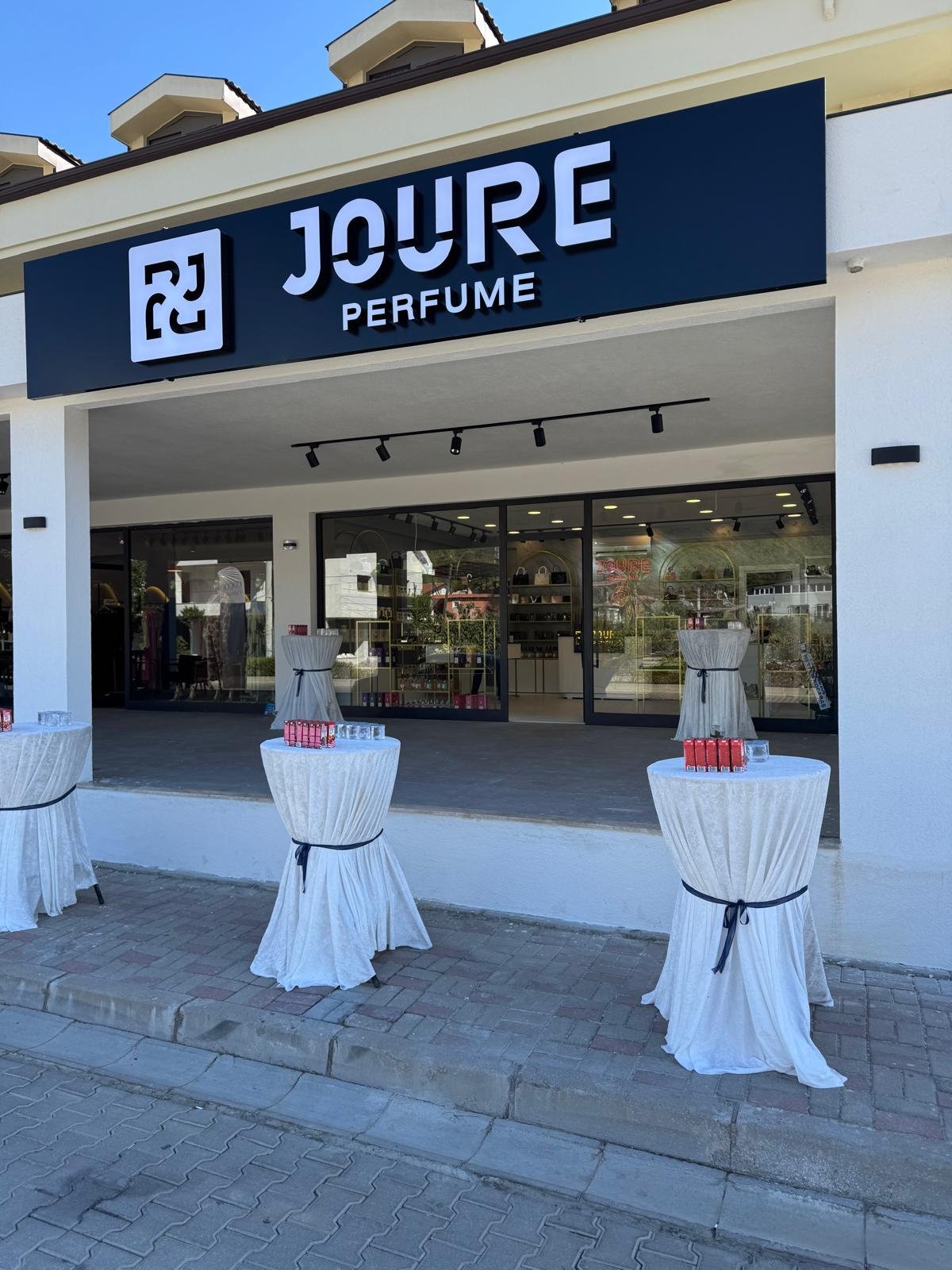
Instead of determining the opening day at the last moment, it needs to be planned in advance. The aim is not only to draw a crowd but to introduce the store to potential customers in the area. Location-targeted digital advertising, social media announcements, the Google Business Profile and storefront materials can be used together. Instead of attracting customers with very high discounts, a sustainable opening strategy is healthier.
17. Keep Working Capital Ready
The store opening does not mean the investment has ended. After opening, expenses such as rent, staff, product replenishment, card commissions, electricity, accounting and advertising continue. For this reason, spending the entire budget on decoration and the first stock is risky; working capital to cover a few months of operating expenses increases financial resilience. You can find the details of the cost items in our article on the cost of opening a perfume shop.
Perfume Store Opening Checklist
- Are the company setup and fields of activity complete?
- Are the lease agreement and workplace license process complete?
- Are the renovation, decoration and signage finished?
- Are the electricity, internet, air conditioning, camera and security working?
- Have the POS and cash register system been tested, and have the products been entered into the system?
- Are the testers and opening stock ready?
- Have the staff started work and received training?
- Are the Google Business Profile and opening ads ready?
- Has the first month's operating budget been set aside?
The Process of Opening a Joure Perfume Store
Instead of building this entire system from scratch, entrepreneurs who want to move forward within an existing brand structure can consider the Joure Perfume dealership model. In the model, the city and location the investor has in mind are evaluated; after a suitable store is determined, the setup and opening process in line with the brand concept is planned. We described the steps of the process in our article on the application process and store concept. For current conditions, you can submit an application through the Dealership page.
Frequently Asked Questions
What do you need to open a perfume store?
Determining the business model and company structure, choosing a suitable store, the necessary licensing processes, decoration, product supply, the POS and stock system, staff, security and opening capital are among the basic requirements.
Is a license required to open a perfume shop?
Physical retail workplaces must complete their workplace opening and operating procedures in accordance with the relevant regulations and local administration requirements. The current document list should be checked with the municipality where the business is located.
Is it necessary to set up a company to open a perfume store?
Commercial activity must be carried out through a suitable business or company structure. Which structure is appropriate should be evaluated with an accountant according to the entrepreneur's plan.
How many square meters are needed for a perfume store?
There is no single minimum store size valid for everyone. The product range, concept, storage needs and dealership standards affect the suitable square meters.
How many products should a perfume store start with?
Instead of a fixed number, a balanced product mix that meets customer needs should be created. More initial stock than necessary can tie up working capital.
How is a Joure Perfume store opened?
The entrepreneur can apply through Joure Perfume's Dealership page with their city and contact information. After the suitability assessment, the location, store concept and opening process are planned.