A dealership presentation usually describes the brand's strong points. Store visuals, product variety, investment advantages and growth plans are naturally the foreground topics of the meeting. However, the task of an entrepreneur considering taking on a dealership is not merely to listen to the presentation, but to ask the right questions. Because a dealership investment is often a commercial relationship that will continue for years.
Here are the 10 basic questions you should definitely raise in a perfume dealership discussion.
1. Exactly How Much Is the Total Investment Cost?
Learn not only the licensing or product fee but also, separately, the store decoration, furniture, signage, lighting, the first product and tester stock, technical infrastructure, POS, license, opening advertising and pre-staff preparations. Be sure to ask whether rent and deposit are included in the figure given. The most accurate question: "How much total capital do I need to open the store's doors and start its first month of operations?" For details, see the cost of opening a perfume shop.
2. Is There a Licensing Fee, Royalty or Revenue Share?
Clarify the ongoing payments to be made to the brand after the store opens: licensing fee, monthly royalty, revenue share, advertising contribution, software/system fee and any minimum monthly order requirement. The aim is not to find the system with the lowest fees, but to understand what value you receive in return for the fee you pay.
3. What Is the Real Gross Profit Margin on the Products?
Ask how the margin is calculated: is it on the recommended retail price, is it VAT-inclusive, how is the cost shared during campaigns, does the dealer have discount authority? Also, do not forget the difference between gross profit and net earnings; rent, staff, POS commissions, advertising and tax are covered from the gross profit generated by product sales. You can find profitability examples in the article on whether a perfume dealership is profitable.
4. Is There Territory Protection?
Is there territory protection, is it determined by district or by distance/population, are the stores the brand opens itself included in the protection, how are online sales evaluated? More importantly: is the territory protection clearly written in the contract? A verbal commitment and a right in the contract are not the same thing.
5. Who Approves the Location?
Ask whether the brand carries out a location analysis, whether it has different criteria for streets and shopping malls, its minimum square meters and frontage requirements, and whether it rejects a location it does not consider suitable. A healthy system cares not only about the number of stores but about the sustainability of the stores that open; being able to say "We do not recommend this location" when necessary is a positive sign.
6. How Does Product Supply Work?
How are orders placed, how long do they take to prepare, is there a minimum amount, is safety stock kept for best-selling products, how are new products sent, and who covers the shipping/logistics cost? Also learn how the first opening stock is created; if the brand recommends a product mix based on past sales data, this is an advantage.
7. What Is the Policy on Unsold or Slow-Moving Stock?
In retail, stock is the business's cash capital. Ask about the exchange option for slow-selling products, the management of old products during seasonal renewals, the mandatory stock level, return conditions, the damaged-product procedure and the management of tester/display products. Not every brand is obliged to offer returns; however, knowing the rules in advance is important for correctly assessing the stock risk.
8. What Support Does the Head Office Provide?
"Every kind of support" is not a sufficient explanation. Learn the concrete scope of support such as location analysis, store design, decoration, staff and product training, opening support, social media materials, digital advertising, operational consulting and stock planning. Ask whether the support is only for the opening day or continues while the store is operating.
9. How Do Exiting the Contract and Store Transfer Work?
How many years is the contract, how does renewal work, what happens in early termination, can the store be transferred and is brand approval required, how quickly must the signage be removed upon termination, what happens to the remaining stock, is there a guarantee or penalty clause? It is important to understand how the contract works not only in the good scenario but also when things change.
10. How Are Digital Sales and Online Customers Managed?
Does the brand have an e-commerce site, can dealers make online sales, are marketplaces allowed, are prices set by the head office, is there a dealer share on online orders coming from the store's region? The online channel belonging to the brand is not automatically bad; however, the commercial relationship between the physical dealer and the digital channel needs to be clear.
Bonus Question: Can I Speak With Existing Dealers?
Request a conversation with a few existing dealers from the brand. Instead of "Are you satisfied?" ask the following: Did the opening process go as described? Do you experience problems with product supply? Is it easy to reach the head office? Did any unexpected costs arise? If you were opening the store again, would you choose the same brand?
Situations That May Be Red Flags
The total investment amount not being clearly explained, ongoing costs being uncertain, territory protection being given only verbally, not being given enough time to review the contract, existing stores not being shared, guarantees of earnings being given, and pressure to sign within a very short time require more careful evaluation. Statements such as "you will definitely earn this much" are not realistic in the retail sector. To score brands against the same criteria, you can use the list in the article on companies that offer dealerships.
What Can Be Asked in a Joure Perfume Dealership Meeting?
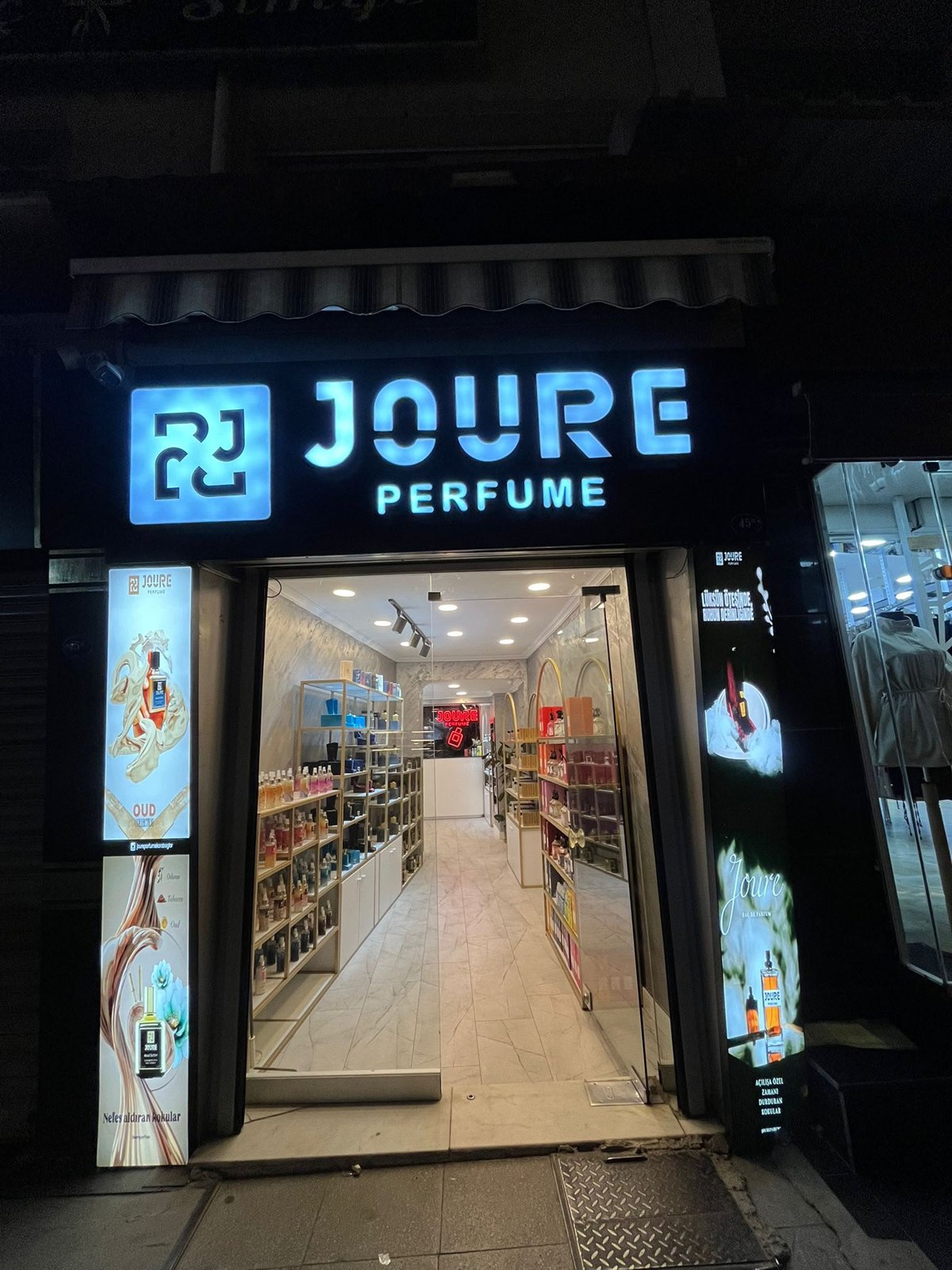
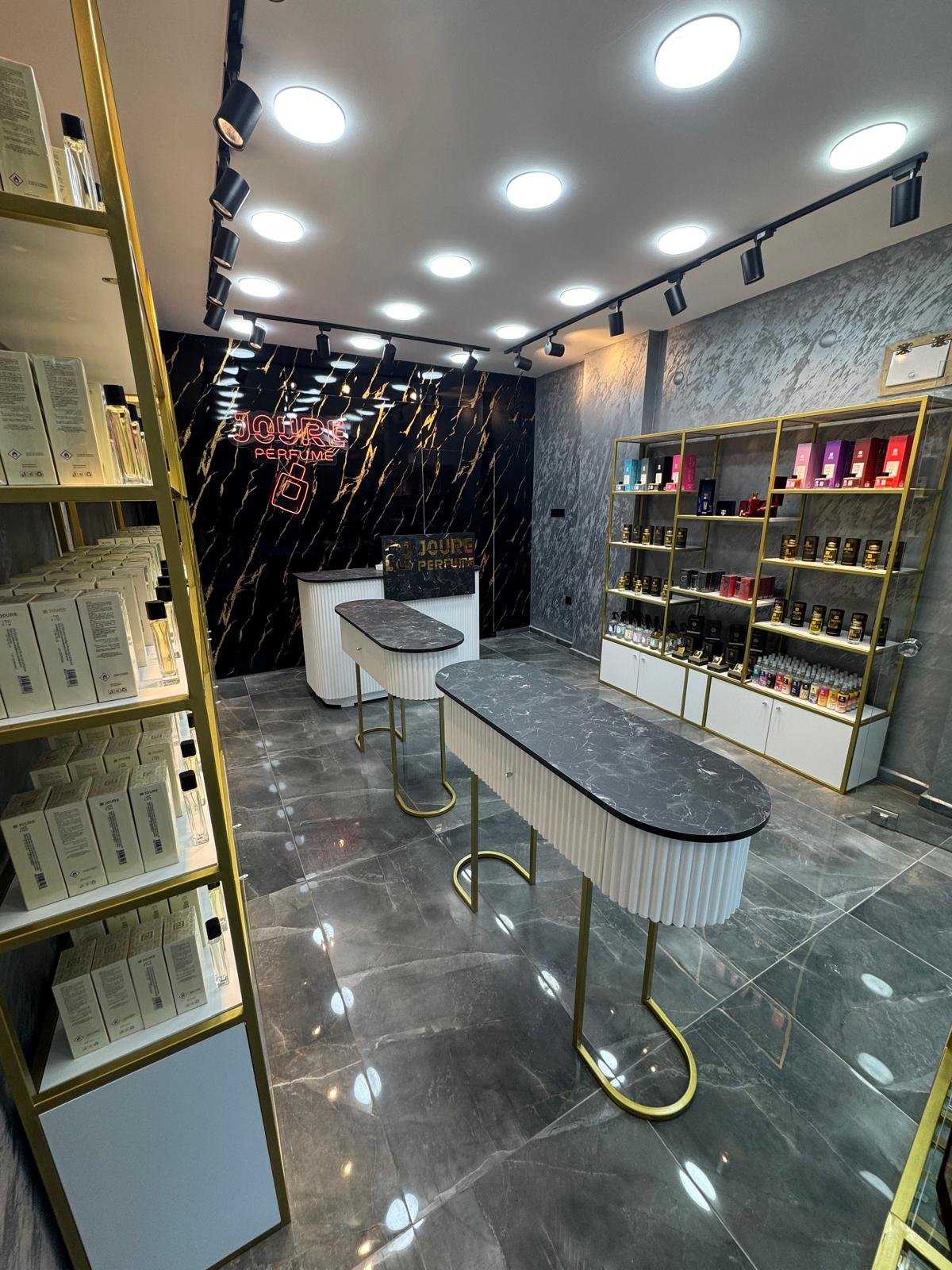
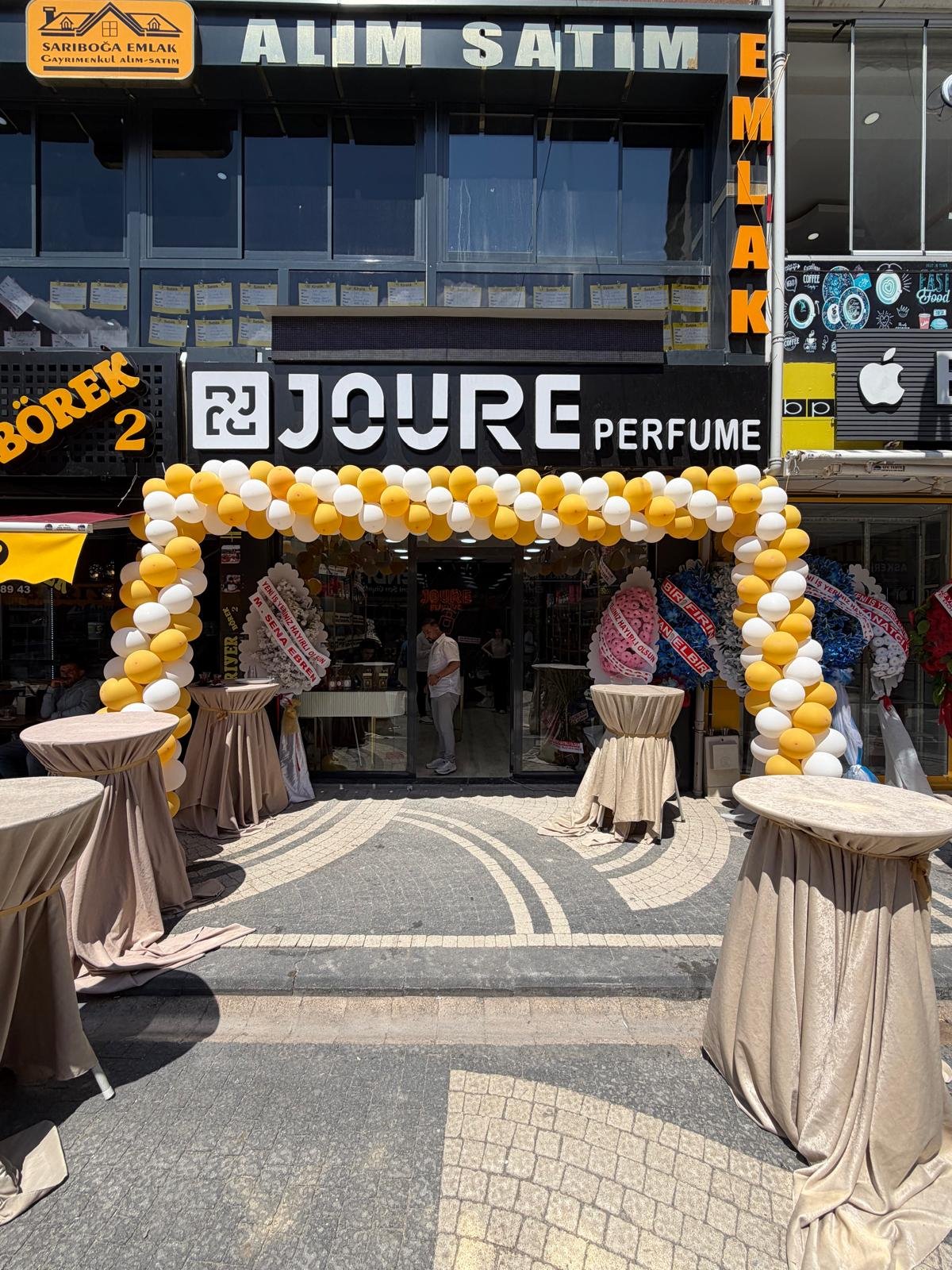
An investor evaluating the Joure Perfume dealership model should ask the same questions: the current investment scope, store concept, product system, location suitability, territory protection, supply, contract, and opening and marketing support. You can examine how the system works in the article on the Joure Perfume dealership system, and for current information you can submit an application through the Dealership page.
Frequently Asked Questions
What should be considered when taking on a perfume dealership?
The total investment, ongoing fees, product margin, territory protection, location, product supply, stock management, head-office support and the contract should be evaluated together.
What should be asked first in a dealership meeting?
Clarifying which items make up the total investment and whether there are ongoing fees after the store opens is a good start.
How many years should a dealership contract be?
There is no single ideal term valid for everyone. What matters is that the contract term, renewal and termination conditions are consistent with the nature of the investment made.
Is territory protection important in a dealership?
Yes. New stores opening in nearby areas can affect the existing business's sales potential. It is important that the scope of the protection is clear in the contract.
Is there a profit guarantee in a dealership?
Because sales and profit in retail stores depend on many factors, you should be cautious of claims that guarantee a specific level of earnings.
Is it necessary to show the dealership contract to a lawyer?
If a significant amount of investment and a long-term commercial obligation are involved, having the contract reviewed by an independent legal expert can be useful.
Where do you apply for a Joure Perfume dealership?
The city being considered and contact information can be shared through the application channel on Joure Perfume's official Dealership page. After the suitability assessment, the process is detailed.