For many entrepreneurs who want to start their own business, the hardest decision is which sector to invest in. Among the many options such as food, textiles, services, technology, beauty and retail, the perfume and personal fragrance sector is one of the noteworthy fields. Perfume is not just a basic consumer product; it is also associated with personal style, gift culture and emotional experience.
However, the first question of an entrepreneur wanting to enter the sector should not be "which perfumes will I sell?" The more correct question is: Which business model should I use to enter this sector?
Why Does the Perfume Sector Attract Entrepreneurs' Interest?
One of the reasons perfume is attractive to entrepreneurs is the product's repeat-purchase potential. A customer may shop again for reasons such as different seasons, daily use, special occasions, gifts and trying new scents. In addition, complementary categories alongside perfume, such as home fragrance, cologne, body splash and car fragrance, can broaden the product portfolio. However, the sector's competition should be considered as much as its potential.
Different Ways to Enter the Perfume Sector
There is not a single path before entrepreneurs; there are four main business models.
1. Taking On a Perfume Dealership
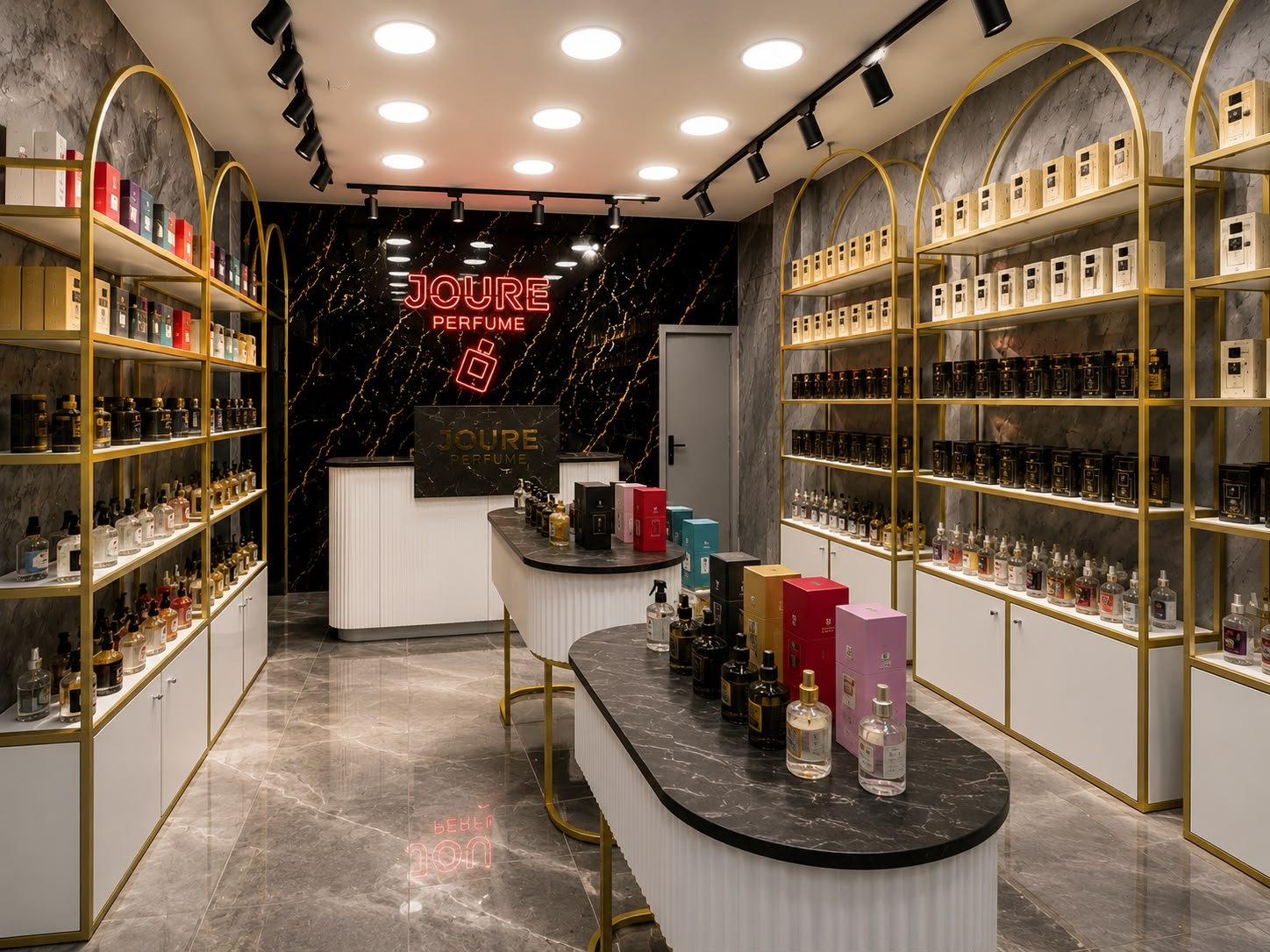
In the dealership model, you operate through an existing brand's product portfolio, store concept, brand name, operational system and supply network. Its most important advantage is that you do not have to build many systems from scratch; in return, you need to comply with the brand's standards. For entrepreneurs who have no brand-building experience but want to actively run a store, a dealership can provide a more structured start. We covered the dealership process in our article on how to get a perfume dealership.
2. Opening an Independent Perfume Store
When you set up your own store independently, you determine which products to sell, the store name, the design and the pricing policy yourself. Freedom is high, but you need to manage processes such as supplier selection, product portfolio, concept, packaging, advertising and brand awareness yourself. In the independent model, sourcing products through compliant, reliable channels is especially critical.
3. Building Your Own Perfume Brand
The longer-term and more brand-focused model is creating your own brand. This option is more complex; developing pleasant scents alone is not enough. A brand consists of many layers such as the name, logo, bottle, packaging, product formulation, production, regulations, pricing, marketing and sales channels. In addition, you need to clarify why the brand exists; the mere claim of a "long-lasting perfume" may not be enough for strong brand differentiation.
4. Selling Perfume Online
Selling through e-commerce without opening a physical store can reduce some fixed expenses. However, perfume has an important disadvantage: scent cannot be experienced in a digital environment. For this reason, in online sales, trust, product descriptions, reviews, strong visuals, video content, fast delivery and customer service gain greater importance. A hybrid model in which a physical store and e-commerce are used together can also be considered.
Is Product Knowledge Essential to Succeed in the Perfume Sector?
You do not need to be a professional perfumer, but basic product knowledge is important. Knowing topics such as scent families, top-middle-base notes, the difference between EDP and EDT, choosing a scent according to the season and applying perfume makes communication with the customer easier. The customer often comes with requests such as "I want a clean scent" or "I'll use it in the evening" rather than a product code; being able to translate this description into the right scent profile is important for sales success.
Who Is This Business More Suitable For?
The sector may be more suitable for entrepreneurs who enjoy communicating with people, are interested in retail, can be involved in the store's daily operations, are open to learning about products and keep regular financial track. Viewing the store as a completely passive investment and expecting it to run by itself after opening can be risky.
How Should Capital Be Planned in the Perfume Business?
It can be healthier to think of capital in roughly three parts: setup capital (decoration, signage, technical infrastructure), stock capital (initial product purchases and testers) and working capital (a cash reserve to cover rent, staff and other expenses until the store reaches target sales). Working capital is often the most overlooked part; the real test begins in the months after opening. You can find the item-by-item calculation in the article on the cost of opening a perfume shop.
The Most Common Startup Mistakes in the Perfume Business
- Focusing only on a high profit margin (the gross margin is not net earnings).
- Choosing the wrong location; cheap rent is not always an advantage.
- Straining cash flow by buying too much stock.
- Not setting aside a marketing budget.
- Not valuing staff training.
- Not leaving working capital and being too optimistic in estimating the first months' sales.
A Dealership or Your Own Brand?
If you want to start faster with a ready-made system, the dealership model may be more suitable. If you have experience and capital in brand creation, production and a long-term distribution network, your own brand can turn into a larger entrepreneurial project. In short: a dealership = running a system, your own brand = building a system from scratch. Both are entrepreneurship; the skills required are different.
Who Can Consider the Joure Perfume Dealership Model?
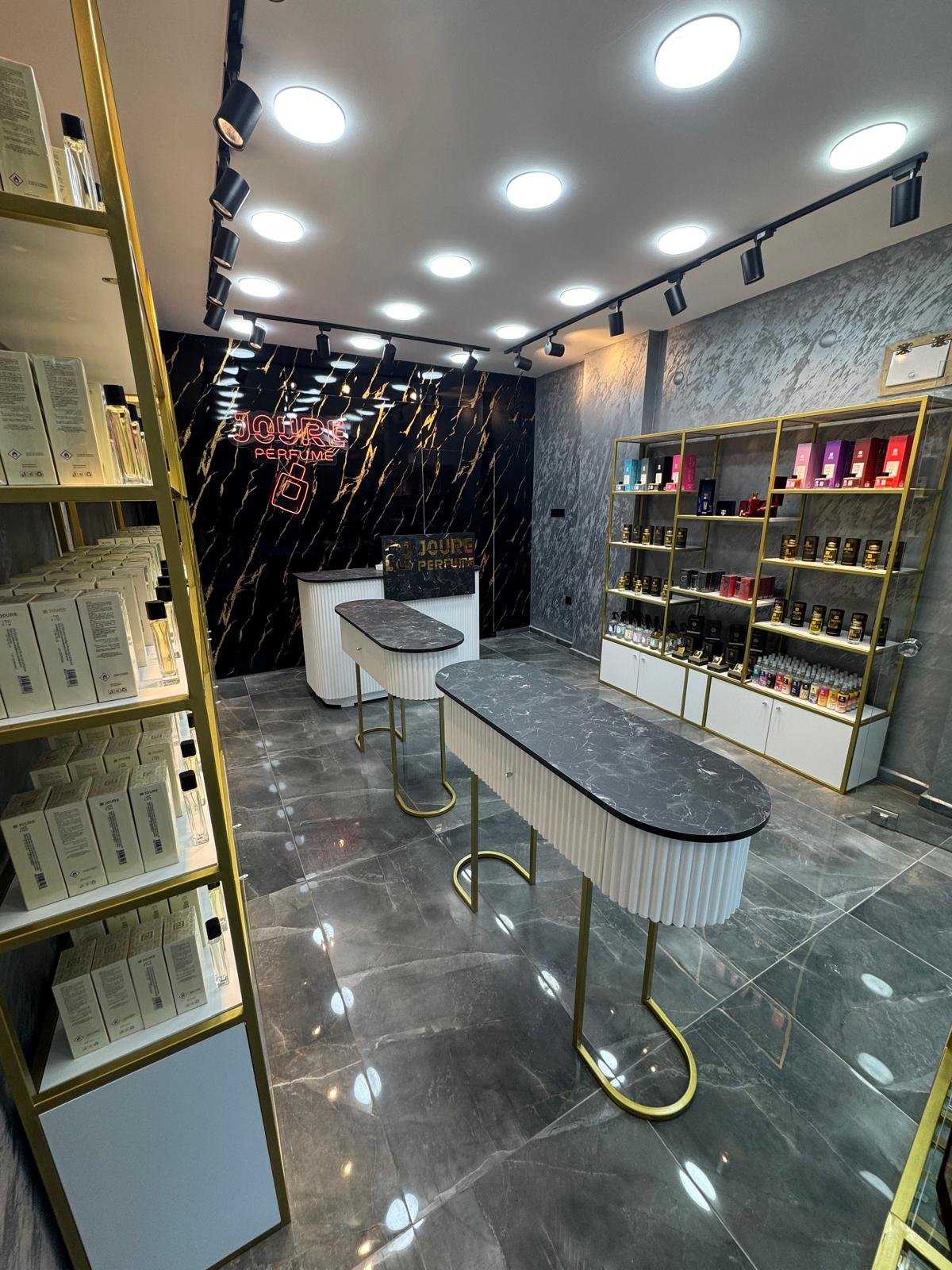
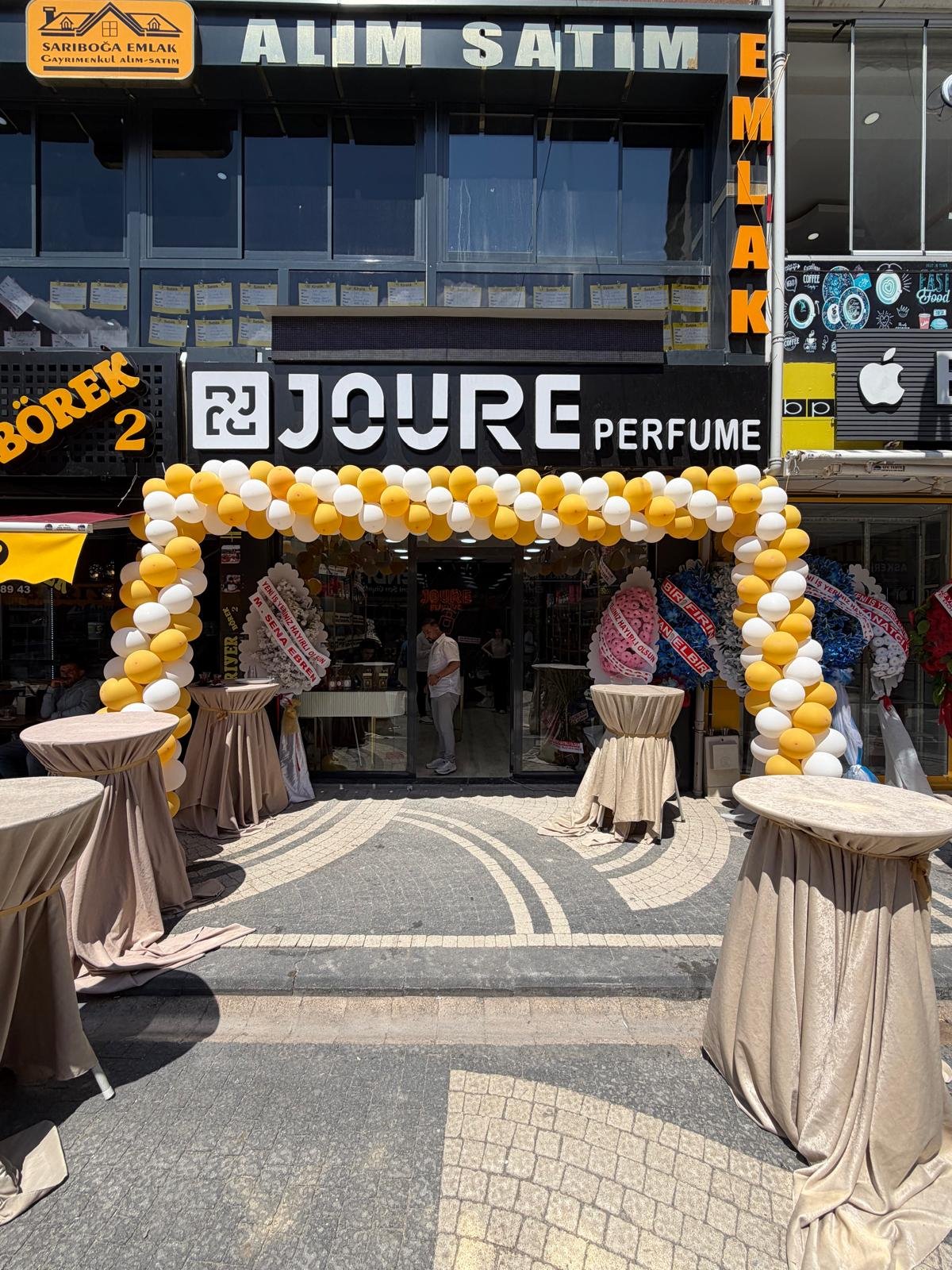
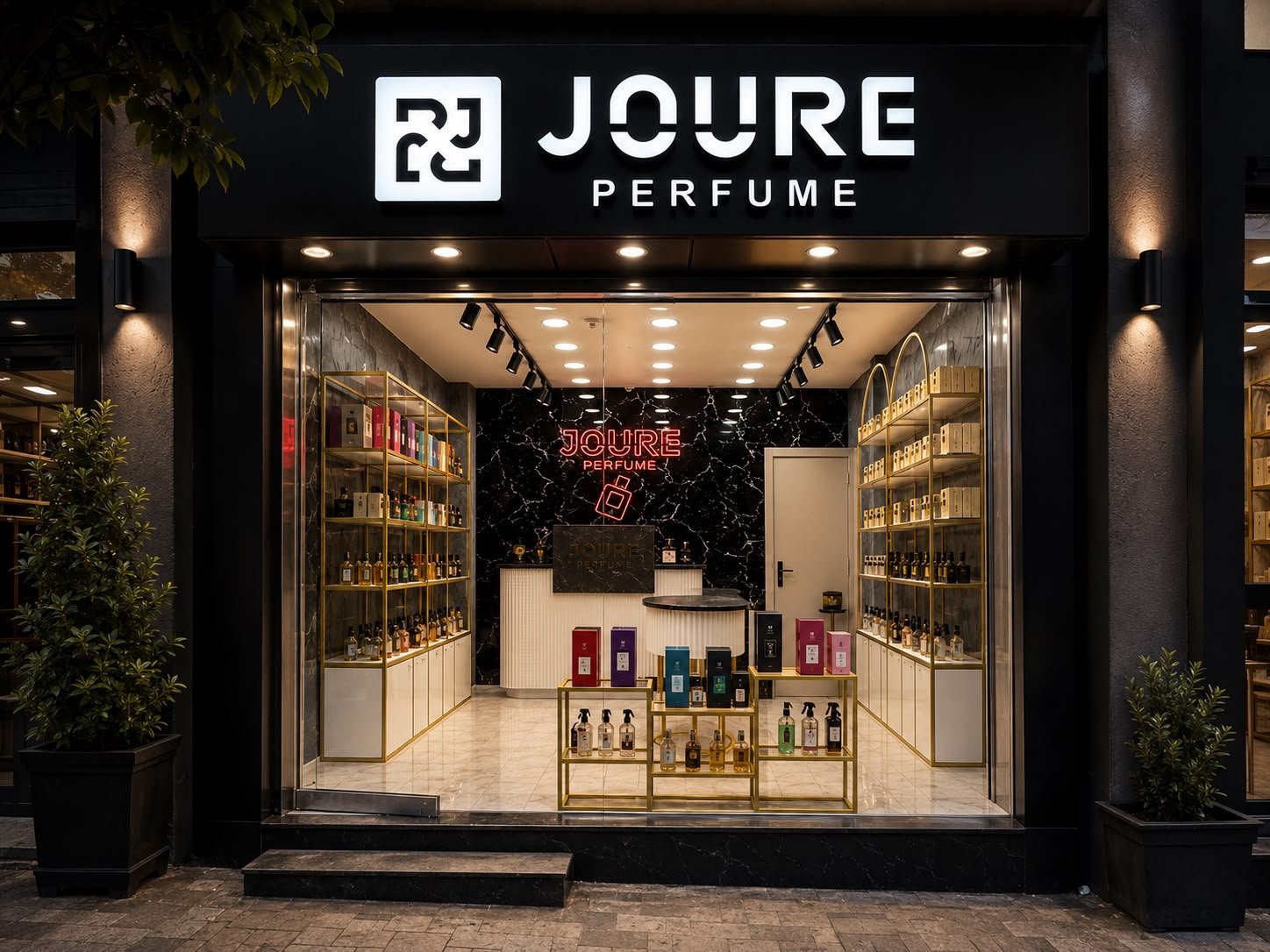
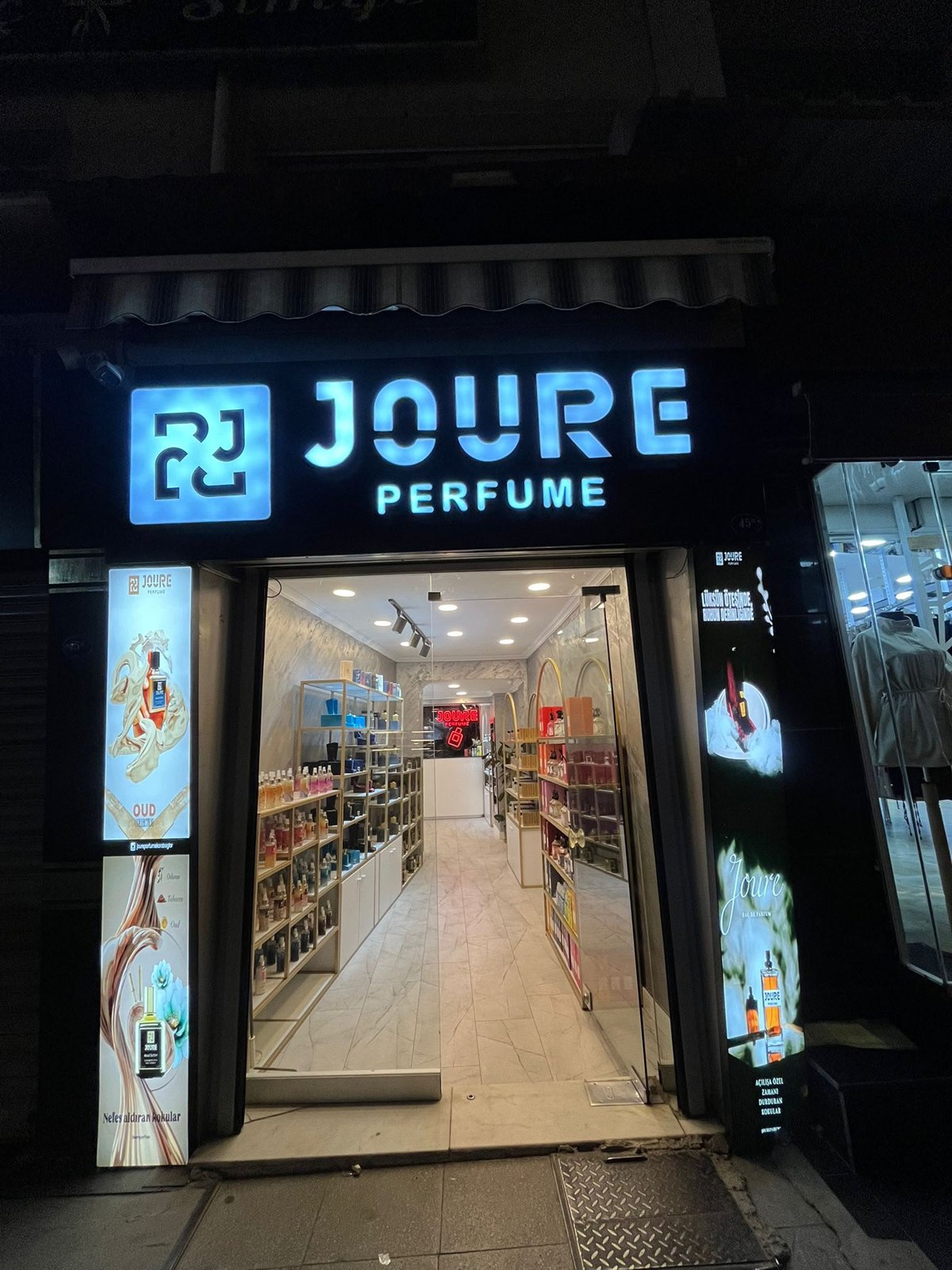
Entrepreneurs who want to invest through an existing system instead of building a brand from scratch can consider the Joure Perfume dealership model. The dealership system is based on offering the brand identity, product portfolio, store concept and operational standards within a certain structure. However, taking on a dealership does not guarantee store performance; the right location, good management, staff, customer experience and financial discipline remain important. For current details, you can submit an application through the Dealership page.
Frequently Asked Questions
Does it make sense to start a perfume business?
With the right business model, location and financial plan, the perfume sector can be considered. However, profitability is not guaranteed in any retail investment.
How do you enter the perfume sector?
Different models such as a dealership, an independent store, your own brand or e-commerce can be used. The choice should be made according to the entrepreneur's capital and experience.
Is a perfume dealership easier, or your own brand?
In a dealership, you start through an existing system. With your own brand, on the other hand, the product, brand, production, distribution and marketing processes need to be built from scratch.
Can you sell online without opening a perfume store?
Yes. However, because perfume cannot be experienced over the internet, trust, content, brand awareness and customer experience gain greater importance.
What is the most important issue in the perfume business?
There is no single issue. Location, products, capital, stock management, staff and customer experience must be managed together.
How do you get a Joure Perfume dealership?
Entrepreneurs who want to learn Joure Perfume's current dealership conditions can share their city, location and contact information through the application channel on the official Dealership page.