When buying a perfume, you may have come across the terms “EDP” and “EDT” on different bottles of the same scent. At first glance these letters look like a small technical detail, but they actually tell you important things about a perfume’s structure and how it feels to wear. EDP stands for Eau de Parfum, while EDT is short for Eau de Toilette.
One of the main differences between them is the concentration of aromatic ingredients in the composition. However, the subject is not simple enough to be explained as merely “EDP is more intense, EDT is lighter.” Let’s look at it step by step.
What Is EDP?
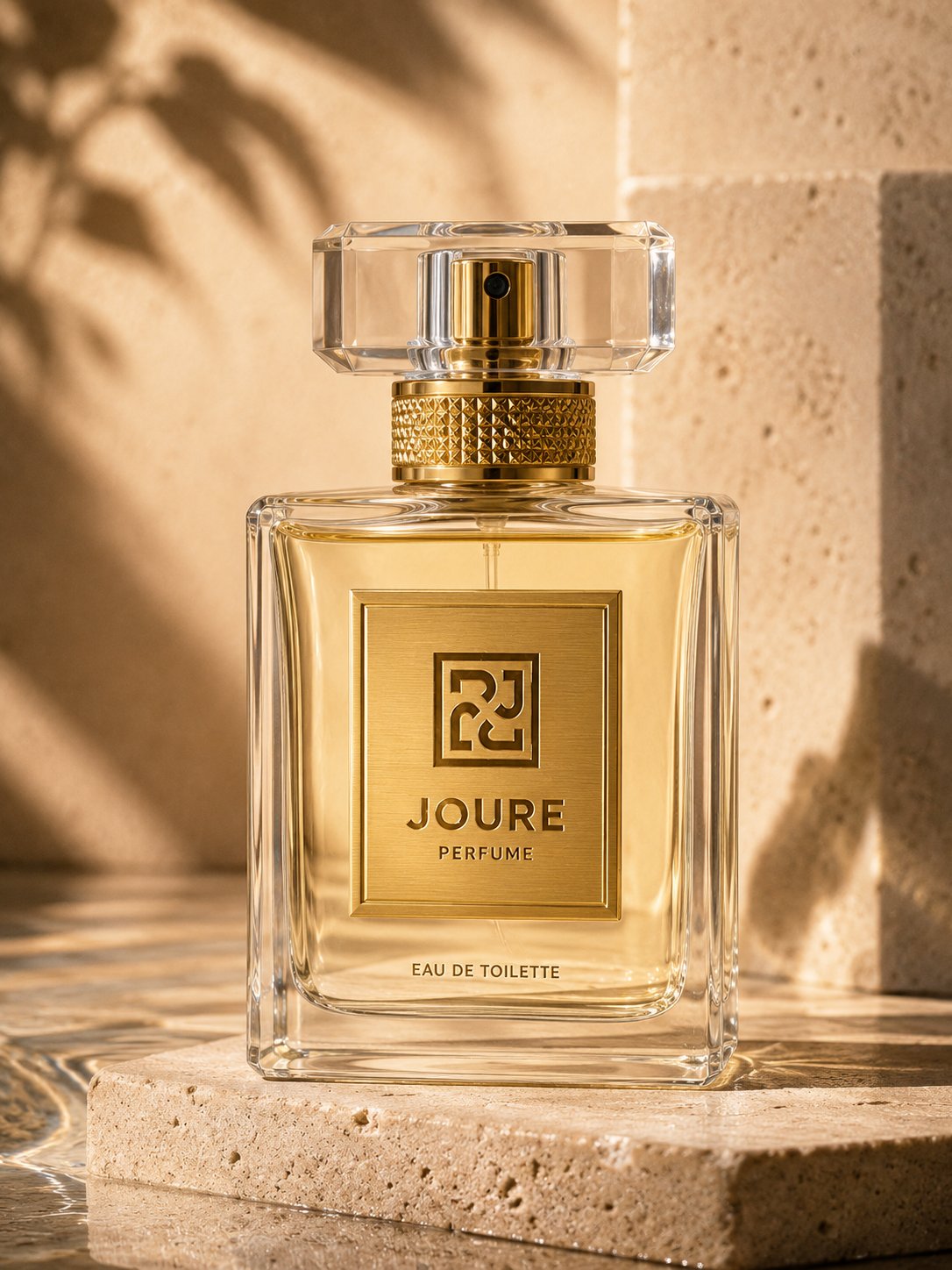
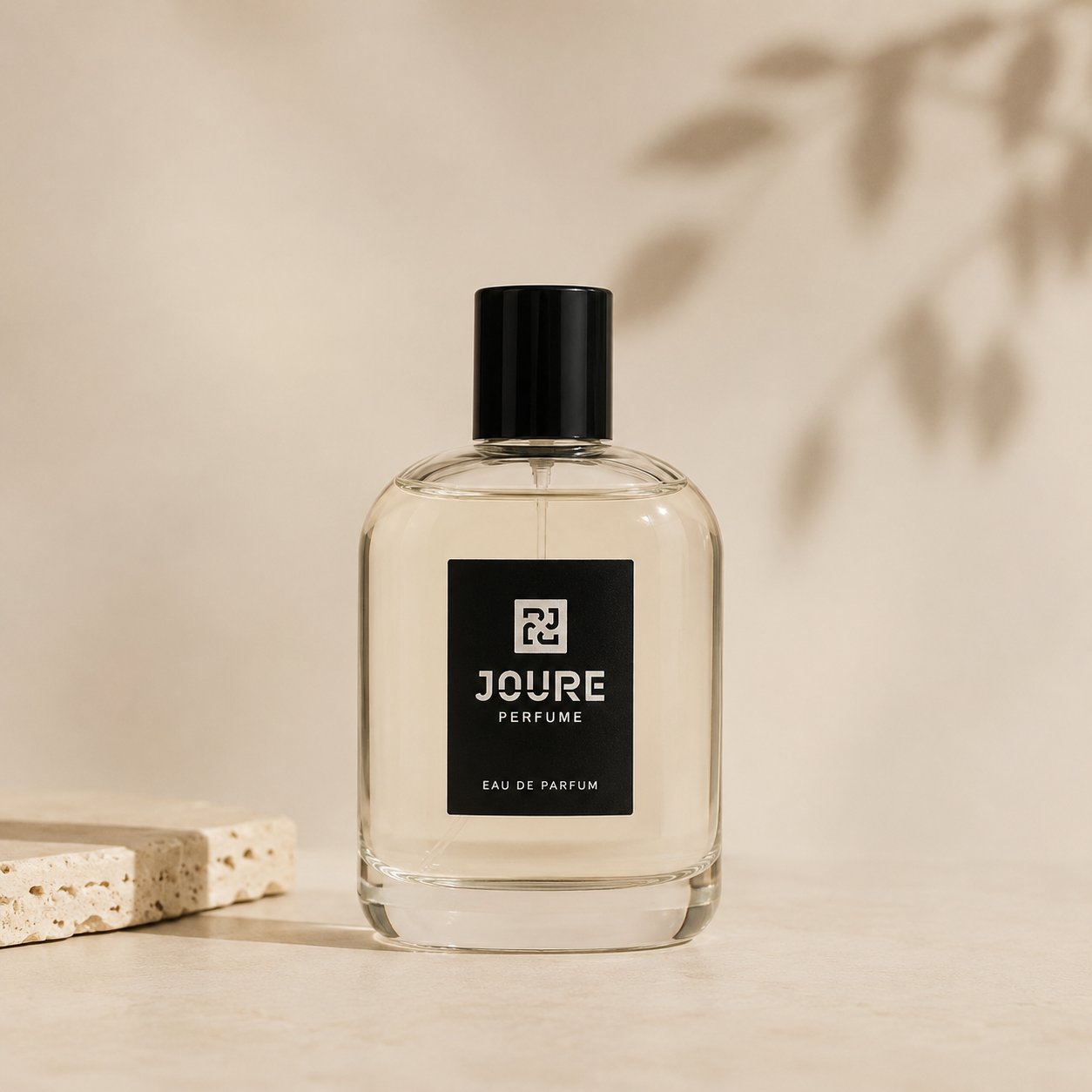
EDP is short for the French term Eau de Parfum. In Eau de Parfum products, the concentration of aromatic ingredients can generally be higher than in Eau de Toilette; a perfume concentration of roughly 15–20% is often mentioned. However, this ratio is not a universal standard. EDP perfumes can generally offer a fuller, more pronounced character that is felt for a long time; the heart and base notes may stand out more. For this reason they are often preferred for evenings and special occasions, though a balanced EDP is also suitable for everyday use.
What Is EDT?
EDT is short for Eau de Toilette. Its perfume concentration is usually lower than that of EDP; a range of roughly 5–15% is often mentioned. EDT compositions are frequently associated with a fresher, livelier and lighter wearing experience; they can be especially enjoyable in citrus and aromatic perfumes. However, the generalization that “EDT does not last” is not correct; some EDT formulas can perform quite strongly.
What Is the Main Difference?
The most fundamental difference is concentration, but it is not the only factor that shapes the experience. EDP can offer a higher concentration, a fuller character and more pronounced heart/base notes. EDT generally offers a lower concentration, a fresher opening and more pronounced top notes. But an EDP and an EDT that share the same name are not two identical products with only the concentration changed; the perfumer may adjust the proportion of certain notes in the EDP version. That is why it is more accurate to evaluate the two as separate scent experiences.
Which Lasts Longer, EDP or EDT?
The general expectation is that EDP will be felt for longer, but EDP is not always more long-lasting than EDT. The raw materials used, the scent family, the formulation, skin type, temperature, humidity and the amount applied all affect performance. A well-formulated, intense woody EDT can perform strongly, while a transparent EDP can be softer. If longevity matters to you, the most reliable method is to test the product directly on your skin.
EDP or EDT for Everyday Use and the Season?
If you are looking for a fresher experience for the office, school or hot weather, EDT can be a good option; for a more pronounced, long-lasting scent, EDP options can be considered. But the setting you are in also matters. When it comes to the season, you should look at the scent character before the concentration: citrus and green notes are more comfortable in the heat; vanilla, amber and woody compositions offer a different experience in cooler weather. We covered the details in our summer and winter perfume article.
Parfum, Extrait and EDC
Besides EDP and EDT, you may also come across the terms Parfum / Extrait de Parfum; these are generally associated with a higher concentration than EDP (roughly 20–40% or higher). However, a high concentration does not necessarily mean more diffusion; some extrait perfumes can show a character that stays close to the skin yet lasts a long time. Longevity and diffusion are different concepts. EDC, on the other hand, is Eau de Cologne and is generally associated with a lower concentration and a fresh experience.
EDP or EDT? Which One Should You Buy?
When deciding, do not look only at the concentration. Determine the purpose for which you will use the perfume, if possible try the EDP and EDT versions separately on your skin, and instead of deciding in the first five minutes, observe how the scent changes over time. Because the perfume with the highest concentration may not always be the right perfume for you. By trying the different characters in the Joure collection on your skin, you can discover the one that suits your way of wearing it.
Frequently Asked Questions
What does EDP mean?
EDP is short for Eau de Parfum. It is generally used to describe perfumes with a higher concentration of aromatic ingredients than EDT.
What does EDT mean?
EDT is short for Eau de Toilette. It is generally associated with products that have a lower concentration than EDP and a fresher character.
Which lasts longer, EDP or EDT?
In general, EDP can be expected to be felt for longer. However, because of formulation, scent notes, skin and environmental conditions, some EDTs can perform more strongly than some EDPs.
Which is better, EDP or EDT?
Neither is directly better than the other. The choice depends on personal taste, the setting of use, the season and the expected scent intensity.
EDP or EDT for summer?
EDTs are often preferred in the summer months because of their fresh structure. However, fresh-character EDPs can also be worn comfortably in summer. The perfume’s overall scent character should be evaluated rather than the concentration.
Is Extrait de Parfum more intense than EDP?
Extrait de Parfum products are generally associated with a higher concentration of aromatic ingredients than EDP. That said, the actual ratios and performance can vary by brand and formulation.