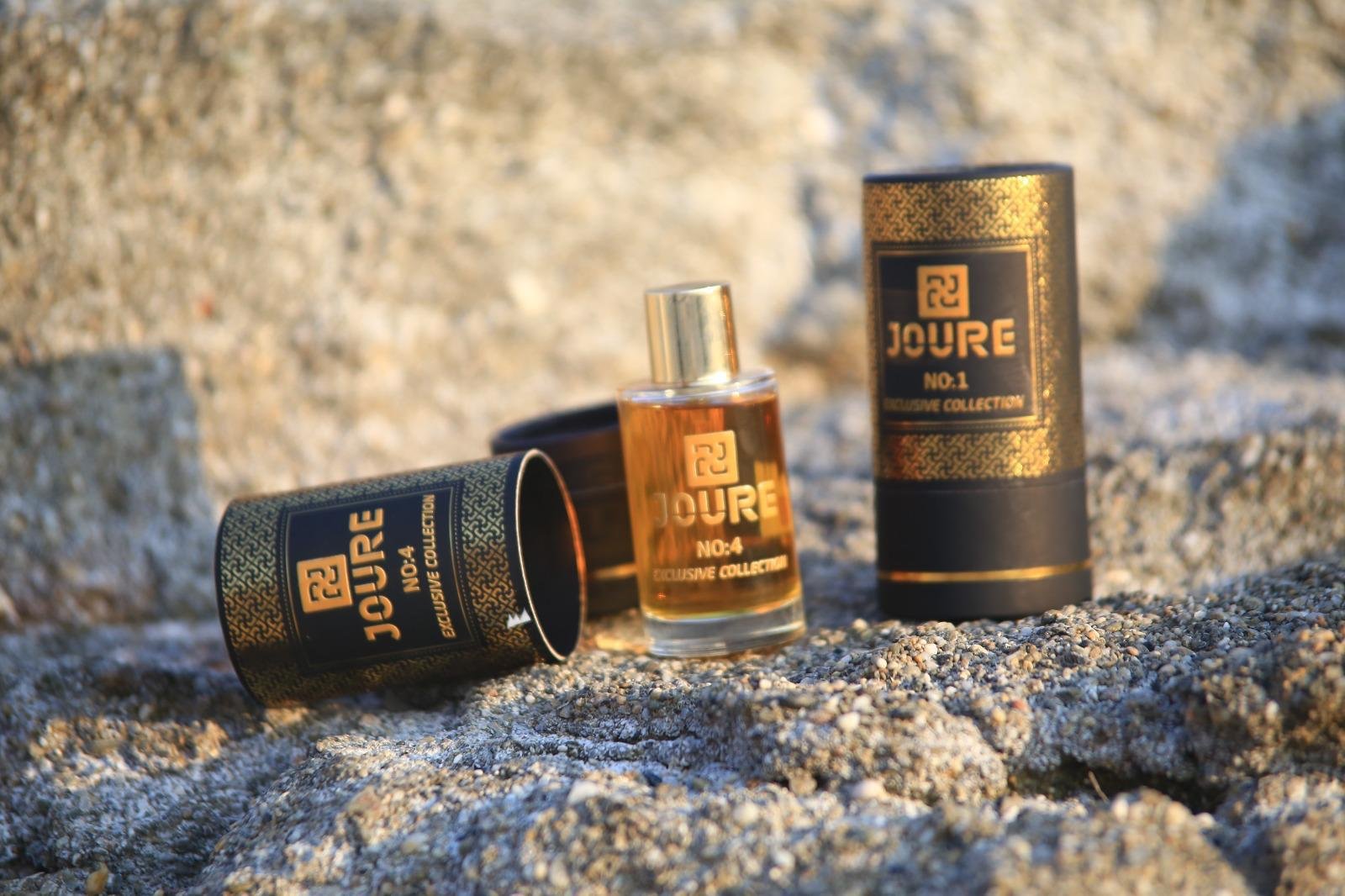
Have you ever tried a perfume you loved on a friend, only to find it did not have the same effect on your own skin? The same perfume can be perceived differently on two people; it can even offer a different experience on the same person in different weather conditions. That is why, when choosing a perfume, it is important to try the product on your own skin rather than judging by the first scent you get from the bottle or a test strip.
Does a Perfume Smell Different on Every Skin?
The same perfume may not be perceived exactly the same on different people. The skin’s moisture and oil level, body temperature, the amount applied and environmental conditions can affect the experience. That said, it is not correct to claim that “everyone’s skin chemistry completely changes a perfume’s formula”; a perfume’s basic character is not lost, but the prominence of certain notes and the duration of the scent can vary from person to person.
Skin Chemistry and Its Relationship With Perfume
The term “skin chemistry” is often used to describe collectively such factors as the skin’s oil and moisture level, its temperature and a person’s natural body scent. When perfume is applied to the skin, the volatile components mix into the air over time; the characteristics of the skin surface and the temperature can affect this process. However, it would not be right to base perfume choice on a single factor alone.
How Does Perfume Behave on Dry Skin?
If the skin surface is quite dry, some perfumes may be felt for a shorter time than expected. For this reason, people with dry skin can try moisturizing the skin before using perfume. An unscented or neutral moisturizer after a shower helps prevent the perfume from competing with another scent. The important thing is not to unintentionally alter the perfume with strongly scented creams.
Should Dry Skin Use More Intense Perfume?
There is no rule that “dry skin must use heavy perfume.” Having dry skin does not mean you have to give up fresh scents. If your expectation for longevity is high, you can try different concentrations; but the final choice should be made according to your personal taste. Whether a perfume is right for you is not measured only by how many hours it lasts.
Perfume on Oily, Normal and Combination Skin
The natural oils on the skin surface can contribute to some scents being felt for longer or more prominently; however, “perfume definitely lasts longer on oily skin” is not an absolute rule. There is no special “list of perfumes to use” for normal or combination skin either. Instead of limiting perfume choice according to skin classification, it is more useful to focus on how the scent develops on your own skin.
Skin Temperature, Skin Tone and pH
Temperature is one of the important factors in how a perfume is perceived; in hot weather some scents can be felt more prominently. Strict classifications based on skin tone (such as “people with darker skin should use this”) are not a reliable selection method; personal taste, the setting of use and the scent’s performance on the skin are more meaningful than skin tone. Similarly, attributing the differences in how a perfume is felt solely to the skin’s pH would be an oversimplification.
How Should Perfume Be Tested on the Skin?
First compare a few options on test strips, then apply your one or two favorites to clean skin; do not rub your wrists together. After evaluating the initial scent, smell it again after half an hour to an hour, and if possible after a few hours. Because the top notes at the first opening fade over time and the heart and base characters of the composition become more pronounced. Testing a limited number of perfumes at once makes comparison easier.
The Best Way to Find the Perfume That Suits Your Skin
Knowing your skin type is useful, but do not turn your choice into rigid rules. If you have dry skin, you can try moisturizing methods; if you have oily skin, you can observe the diffusion of the scent. But the most important stage does not change: try the perfume on your own skin and give yourself time to decide. By trying the scent families in the Joure collection on your skin, you can build your own scent profile over time. We covered the general steps of the right perfume choice in our how to choose a perfume article.
Frequently Asked Questions
Is perfume chosen according to skin type?
Skin characteristics can affect a perfume’s performance and how it is perceived. However, rather than choosing a perfume based only on skin type, testing the scent on your own skin gives a more accurate result.
Does perfume last on dry skin?
It can. However, some perfumes may be felt for a shorter time on very dry skin. Using an unscented moisturizer and applying perfume to moisturized skin is one of the methods you can try.
Does perfume last longer on oily skin?
In some people, the natural oils on the skin surface can contribute to the scent being felt for longer. However, this is not an absolute rule that applies to everyone and every perfume.
Why does perfume smell different on everyone?
The skin’s moisture and oil level, body temperature, a person’s natural scent, the care products used, environmental conditions and the perfume’s formulation can all affect the perceived scent.
Which perfume suits darker skin?
It is not correct to make a strict perfume classification based on skin tone. People with different skin tones can enjoy different scent families. Personal taste and testing on the skin are more meaningful.
Should perfume be tested on paper or on the skin?
A test strip is useful for narrowing down options. However, before a purchase decision, observing the development of your favorite perfumes over a few hours by trying them on your own skin is a healthier method.