For entrepreneurs who want to start their own business, perfume retail is one of the fields that offers different investment models. However, those planning to enter the sector through a dealership system quickly face an important question: Which perfume brand's dealership should I take on?
When you search online for "perfume dealership companies," you may come across many options offering different investment amounts, store concepts and commercial models. At this point, comparing only the lowest start-up cost or the highest stated profit margin is not a sound evaluation method.
Because a dealership investment is not simply about buying products. Brand strength, product quality, the supply system, location policy, store concept, territory protection, contract terms and post-opening support should all be evaluated together. So, when choosing among perfume dealership companies, which criteria should you look at?
Not Every Perfume Dealership System Is the Same
First, an important distinction must be made. Even though the terms "dealership" or "franchise" are used, the models brands offer can differ considerably. One brand may offer a system focused mainly on supplying products. Another may establish more comprehensive standards, from the store's architectural concept to product placement, and from sales training to digital marketing.
Brands' revenue models also differ. Some systems may involve a licensing fee. Others may charge a royalty on monthly revenue or an advertising contribution. In some brands, the model may be built primarily around product supply. Therefore, comparing two different brands solely on their "dealership price" can be misleading. The real issue to compare is the total investment and operating model.
1. Research the Brand's Background
When evaluating a company that offers a perfume dealership, first research the brand's history. How long has the brand been operating? How many stores does it have? How many of those stores are active? Which cities does it operate in? Are new store openings continuing on a regular basis?
One thing more important than the brand's growth rate is the sustainability of the system. Opening stores very quickly does not on its own mean a strong dealership system. What matters is that the operations of the stores that open can be supported and that brand standards can be maintained during growth. For this reason, ask not only "how many stores have opened?" but also "how are the existing stores being run?"
2. Assess Brand Awareness
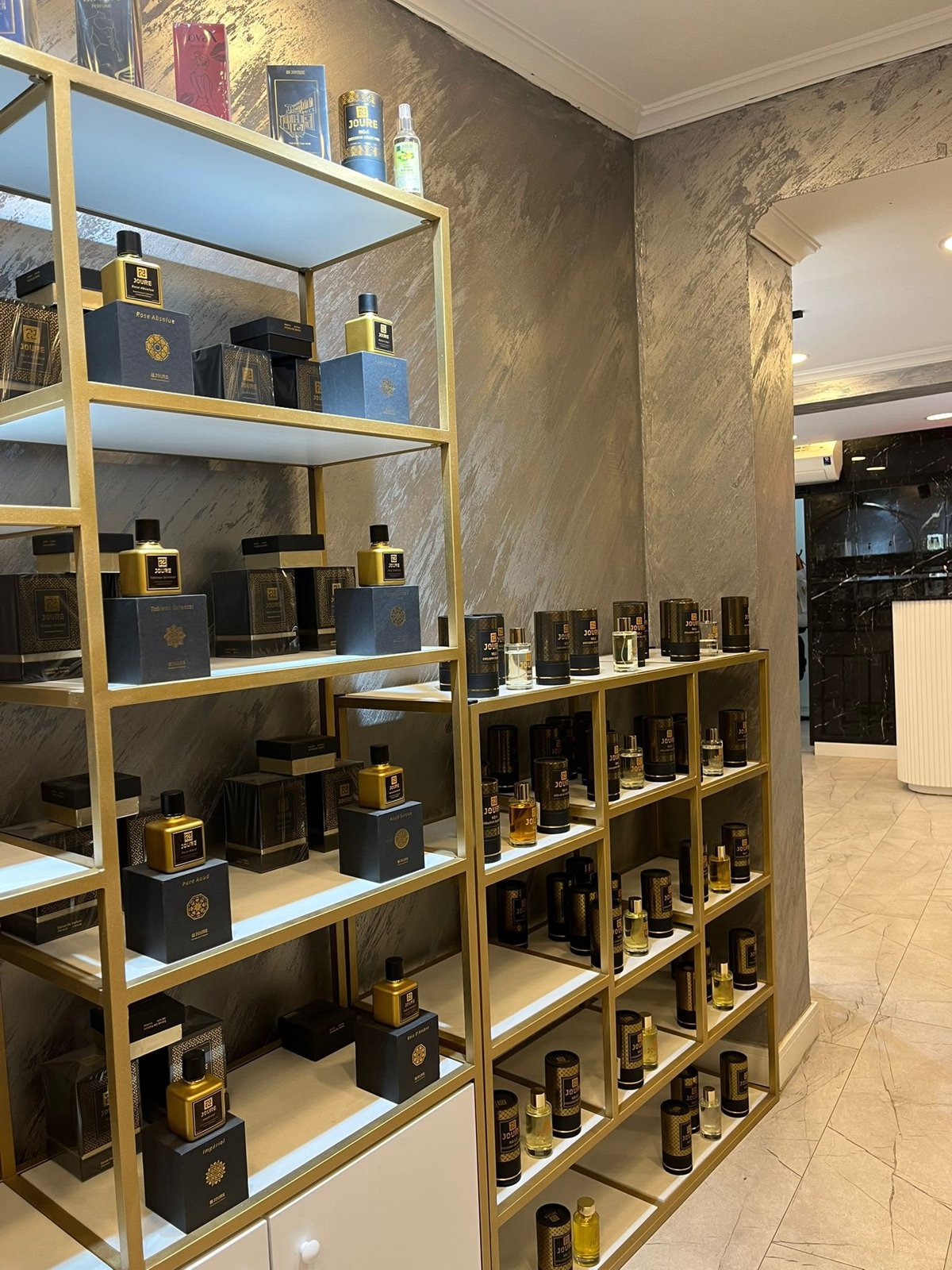
One of the advantages of a dealership system is being able to start with an existing commercial identity instead of building a brand from scratch. For this reason, brand awareness is an important criterion. However, it is not correct to measure awareness solely by the number of social media followers. The brand's Google visibility, social media presence, website, store network, customer reviews, corporate communication and digital content production can all be evaluated together.
In addition, a brand's awareness in your city may differ from its awareness across Turkey as a whole. For this reason, you should also examine the specific conditions of the region where you will invest.
3. Examine the Product Range
In a perfume store, product variety is important for the customer experience. Examine the brand's women's, men's and unisex perfume options. A balanced product portfolio covering fresh, floral, woody, spicy, gourmand and different scent characters can make it easier to meet different customer expectations.
In addition, you can assess whether the brand sells only perfume or also has complementary product categories. For example, home fragrances, cologne, body splash, car fragrances or different scent products can increase the store's product variety. However, a high number of products is not sufficient on its own. Products being supplied regularly and the stock system being managed correctly are at least as important as variety.
4. Ask About the Product Supply System
In dealership talks, most entrepreneurs focus on the sales price and profit margin. Yet in retail, one of the critical issues is product continuity. A best-selling product being out of stock for a long time can cause lost sales. For this reason, ask the brand the following questions:
- How long does it take for orders to be prepared?
- Is there a minimum order quantity?
- How is stock continuity ensured for best-selling products?
- How are new products delivered to dealers?
- Can the ordering system be tracked digitally?
- How is stock planning handled during seasonal or campaign periods?
Behind a strong dealership system there must be not only good products but also a well-functioning supply chain.
5. Compare the Total Investment Cost
The "dealership fee" and the "store opening cost" are not the same thing. A brand may not charge a licensing fee, but a significant investment may be needed for decoration and opening stock. Another brand may have a start-up fee, but some setup services may be included in the package. For this reason, make your comparison across the following items:
- Store decoration, furniture, signage, lighting
- Product stock
- Deposit and rent
- Technical infrastructure, cash register/POS
- License and company setup
- Staff, opening advertising
- Working capital
Your real question should be: "How much total capital do I need to open the store and run its first period soundly?" We covered the details of this calculation in our article on the cost of opening a perfume shop.
6. Learn About the Licensing Fee and Ongoing Payments
After the initial investment, you also need to examine the payments to be made to the brand. For example, the system may include obligations such as a licensing fee, royalty, revenue share, advertising contribution, software fee, mandatory periodic orders or a minimum product purchase.
The presence of these items does not on its own make a system good or bad. What matters is what the investor receives in return and whether the overall model is economically sustainable. When comparing brands, it can be healthier to consider the total economic structure over 3 or 5 years together with the start-up cost.
7. Read the Profit Margin Correctly
When researching among perfume dealership companies, statements of high profit margins may catch your attention. However, you should not confuse the gross product margin with the business's net profit. For example, the store's rent, staff, taxes, POS commissions, electricity, accounting, local advertising and other operating expenses will be covered from the difference between the purchase and sale price of the product.
For this reason, after asking "how much do I earn per product?" always ask "how much revenue do I need to generate to cover my monthly expenses?" This calculation shows you the store's break-even point and allows you to compare different dealership models far more realistically. We examined this topic with examples in our article on whether a perfume dealership is profitable.
8. Examine Territory Protection
One of the important issues that should not be overlooked when choosing a dealership is territory protection. Shortly after you open a store, the same brand granting a second dealership near you can affect your sales area. For this reason, learn how territory protection is applied: Is it by district? Within a certain radius in kilometers? Based on population? Are shopping-mall and street stores evaluated separately? Is online sales outside this protection?
Even more importantly, check whether the territory protection provided is clearly defined in the contract. There can be a difference between verbal commitments and a written contract.
9. Compare Location Support
A good brand should not look only at whether the store is attractive. The commercial potential of the location should also be evaluated. Does the brand analyze the candidate location? Does it examine pedestrian traffic? Does it evaluate the frontage and store visibility? Does it examine competitors? Does it compare the rent with the estimated sales potential?
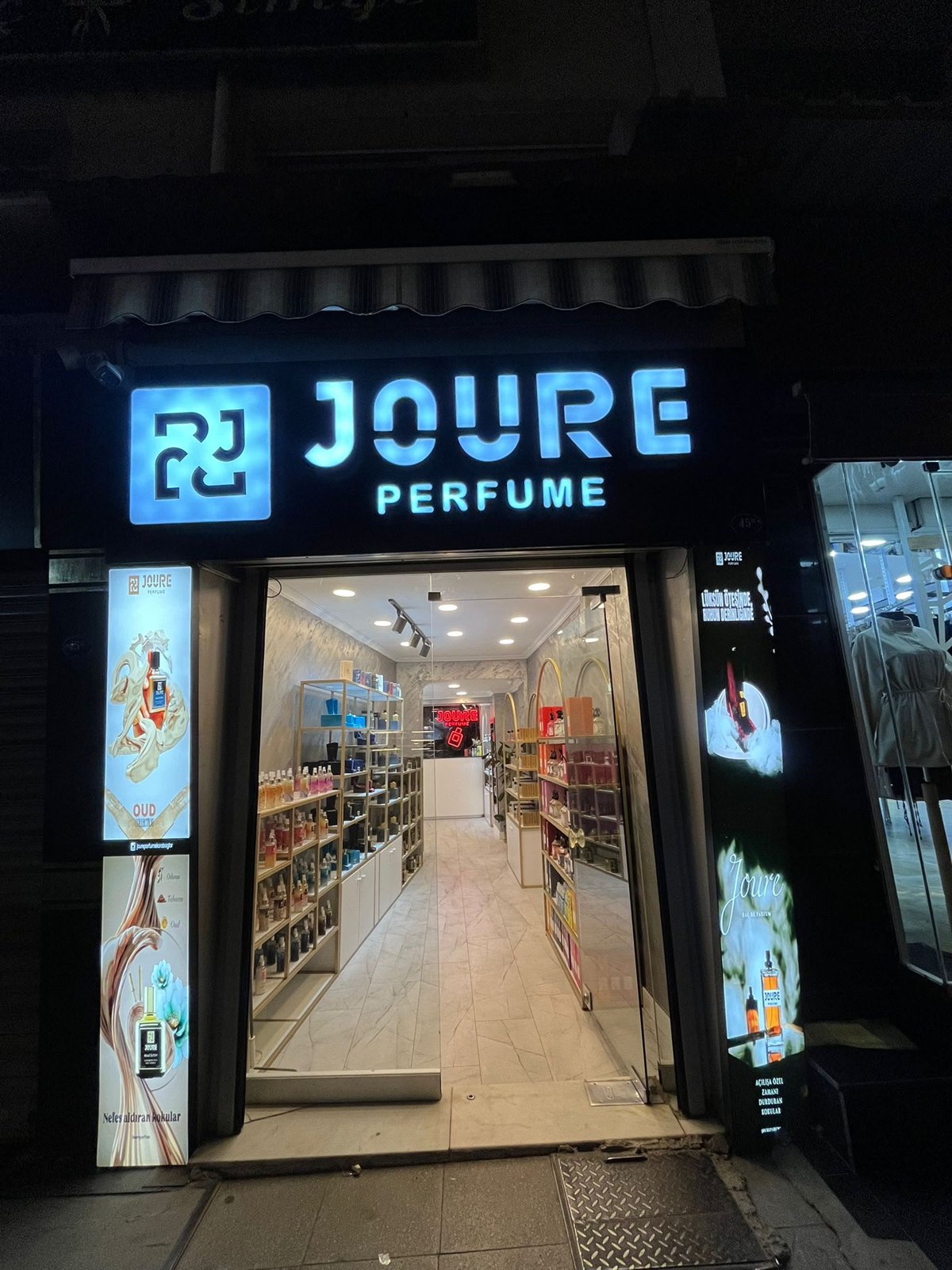
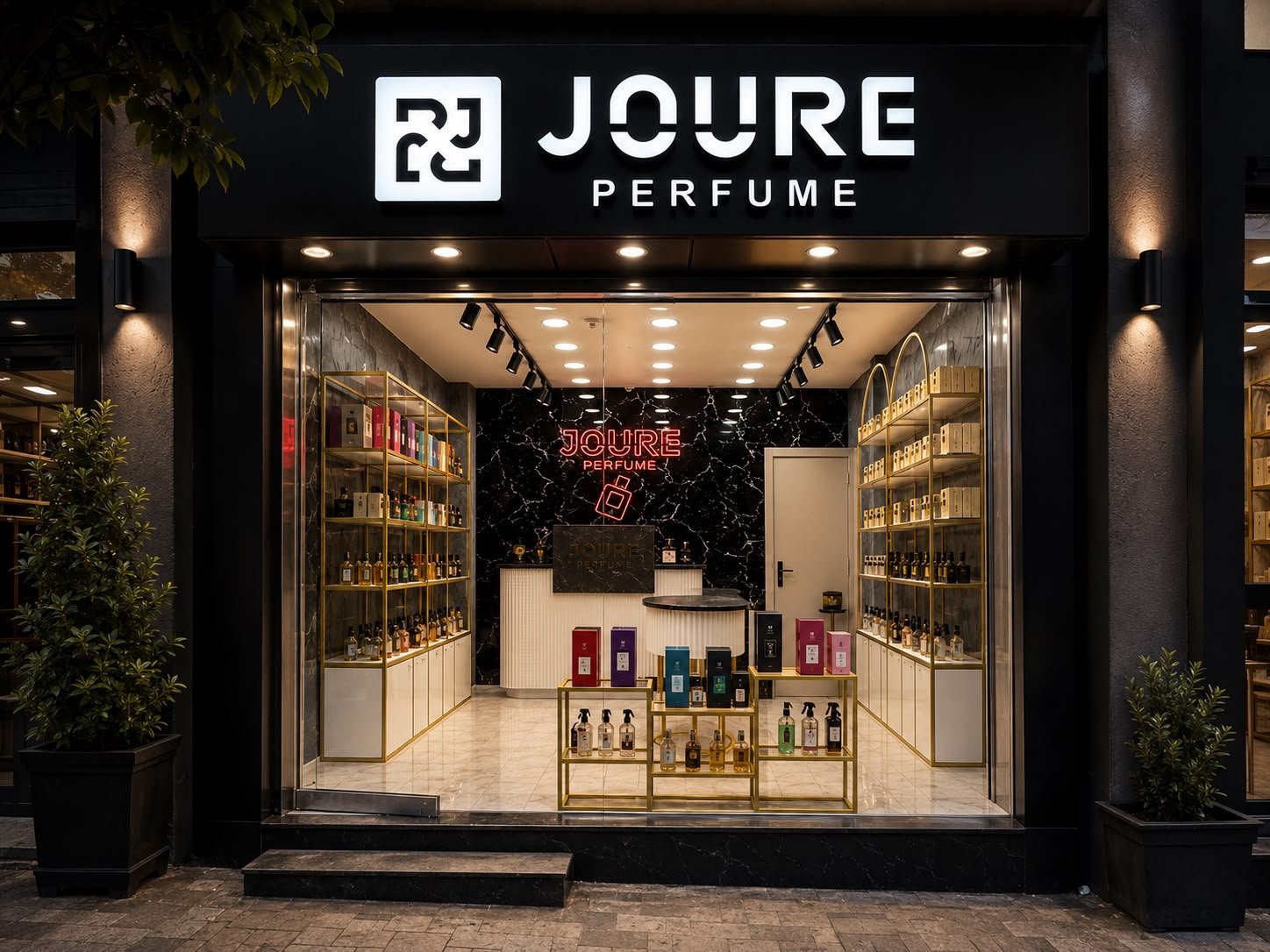
Even a very good store opened in the wrong location can struggle. For this reason, a brand approving a location it does not consider suitable just to sell a dealership is not a positive sign for the investor. A healthy dealership system should be able to tell the investor, when necessary, "We do not recommend this location." You can see the Joure store network on the Stores page.
10. Look at the Store Concept
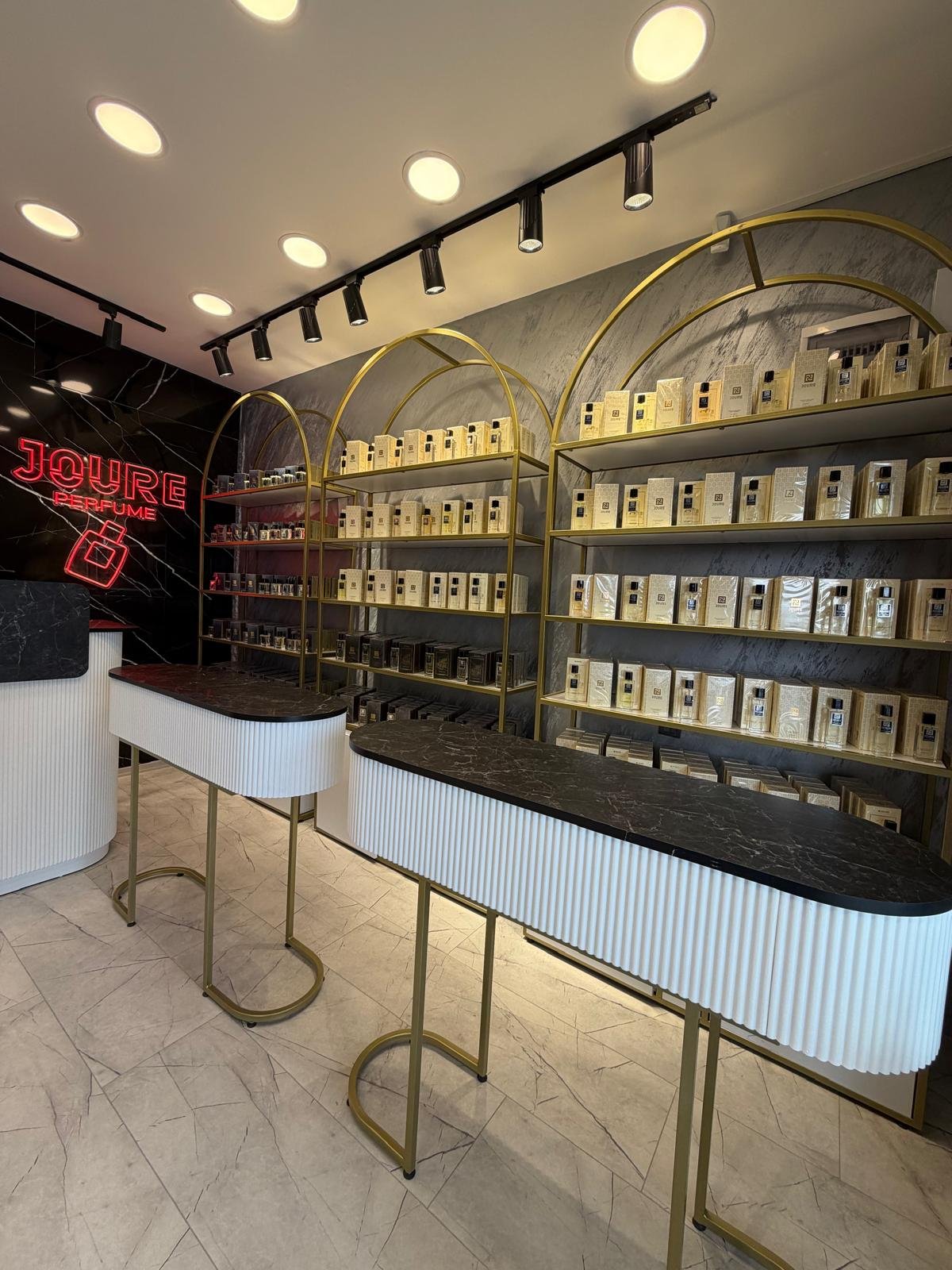
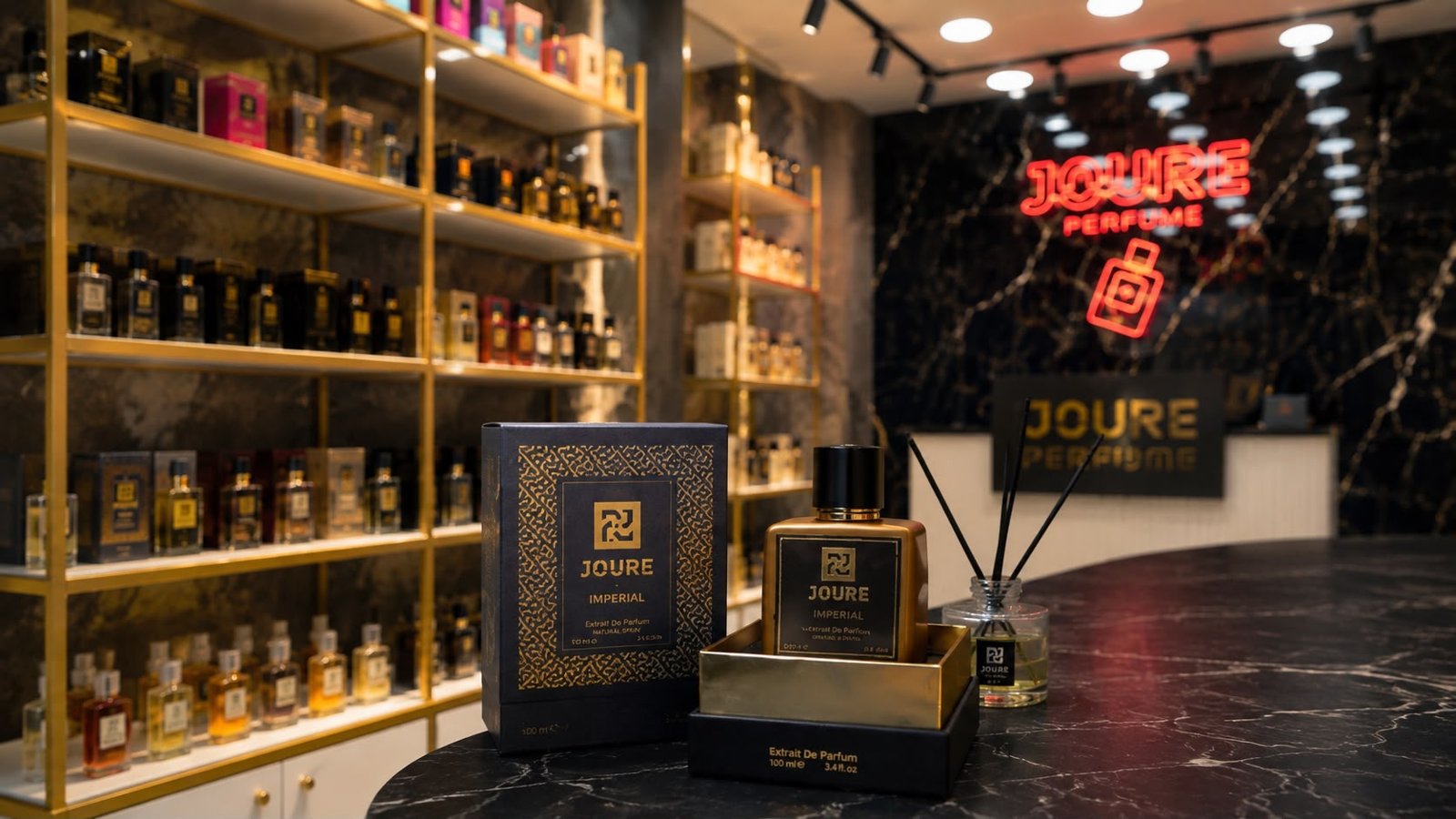
In perfume retail, store design is one of the important parts of the customer experience. Lighting, product presentation, tester areas, use of color, signage, the display window and circulation within the store can affect how the customer perceives the brand. A brand offering a dealership having a standard store concept helps create the same brand experience in different cities.
However, it is not enough for the concept to merely be attractive. The setup cost must also be sustainable. A very expensive store design can extend the investment's payback period. For this reason, a balance should be sought between aesthetics and investment efficiency.
11. Ask About Training and Opening Support
Selling perfume is not just about showing a bottle to the customer. Staff knowing scent families, the products, correct customer communication, tester use, cross-selling methods and store standards can improve the sales experience.
For this reason, ask whether the brand provides product and sales training before opening. Also learn whether the head-office team provides support at the store opening, whether advertising materials are prepared and how opening campaigns are managed.
12. Evaluate Digital Marketing Support
In 2026, it may not be enough for a retail brand to rely only on physical stores. Visibility on Google, Instagram, YouTube, TikTok and other digital channels can play an important role in consumers' brand perception. Examine whether the brand offering the dealership has corporate social media accounts, regular content production, a website, SEO work, digital advertising activities and store-opening communication.
Brand investments made by the head office can also contribute to the awareness of local dealers. However, you need to learn before the contract which marketing activities are financed by the head office and which by the dealer.
13. Compare the Contract
The dealership decision should not be made solely on the basis of a presentation file. The actual commercial relationship is defined by the contract. In particular, the contract term, renewal conditions, termination, territory protection, pricing policy, product supply, brand standards, the sale of other products, transfer conditions and the parties' obligations should be examined in detail.
If a significant investment is involved, having the contract reviewed by an independent legal expert may be considered. It is useful to prepare in advance the questions you should ask before signing. Good-faith commercial relationships are valuable; however, having the rules in writing creates a healthier structure for both the brand and the investor.
14. Visit Existing Stores
There is a big difference between listening to a brand's dealership presentation and seeing its actual store. If possible, visit a few stores in different cities or regions. Are the store concepts similar to one another? Are the products orderly? Is the tester system working? Do the staff know the products? What is the customer experience like? Are the brand's corporate standards applied in the field?
When possible, listening to the experiences of existing dealer operators can also make an important contribution to the evaluation process.
A Checklist for Comparing Perfume Dealership Companies
Before deciding, you can create the same evaluation table for each brand. Give each brand a score from 1 to 5:
- Brand history and reliability
- Product quality and variety
- Supply system
- Total investment cost
- Gross profit model
- Ongoing fees
- Territory protection
- Location support
- Store concept
- Training system
- Marketing support
- Contract terms
- Head office-dealer communication
This method allows you to evaluate different brands against the same criteria rather than being influenced only by the sales representative's presentation.
Can the Joure Perfume Dealership Model Be Considered?
One of the options entrepreneurs researching a dealership in the perfume sector can consider is Joure Perfume. Joure Perfume's dealership approach is built around product supply as well as a standard store concept, brand identity and certain operational standards. The city and location the dealership candidate has in mind are evaluated, and the process moves forward according to suitability.
Investors who want information about Joure Perfume's current dealership conditions, investment scope, product system and store concept can submit an application through the brand's official Dealership page. You can also examine in detail how the Joure Perfume dealership system works.
However, an important point should be underlined here: do not evaluate any dealership investment, including Joure, solely on the basis of the information the brand provides. Separately analyze your own budget, your region, your store rent, your working capital and your goals. The dealership system offers the entrepreneur a framework; the store's success, however, is the result of the operation the brand and the investor build together.
Which Is the Best Perfume Dealership?
There is no single answer to this question that is valid for everyone. For one investor, a low start-up cost may be the priority. For another, territory protection is more important. Another entrepreneur may look for strong digital marketing support. Therefore, instead of "the best perfume dealership," it is more meaningful to ask: "Which dealership system best suits my budget, my location and my business goals?"
When choosing the right brand, look not only at today's investment cost but at the commercial relationship ahead of you over the next few years.
Evaluate the brand's growth vision, product development capacity, supply system and the relationship it builds with its dealers. Because a good dealership agreement should be made not just to open a store, but to build a sustainable business.
Frequently Asked Questions
How are perfume dealership companies compared?
Total investment, product range, supply system, profit model, ongoing payments, territory protection, store concept, location support, training, marketing and contract terms can be compared in the same table.
Is there a licensing fee in a perfume dealership?
It varies by brand. While some systems have a licensing fee, others may not. In addition, since there may be royalties, advertising contributions or different ongoing payments, the overall model should be examined.
What is the most important issue when taking on a perfume dealership?
There is no single criterion. The brand, location, investment budget, product system, supply, territory protection and the contract must be evaluated together.
What is territory protection in a perfume dealership?
It refers to the rules regarding the same brand opening another dealership or store within a defined area. Its scope may vary by brand, and it is important that it is clearly stated in the contract.
A perfume dealership or building your own brand?
In the own-brand model, the entrepreneur builds the brand, product, supply, concept and marketing system themselves. In a dealership, an existing system is used. Which model is suitable depends on capital, experience and entrepreneurial goals.
Does Joure Perfume offer dealerships?
Yes. Current dealership conditions, suitable regions, the store concept and the application process can be learned through Joure Perfume's official Dealership channel.